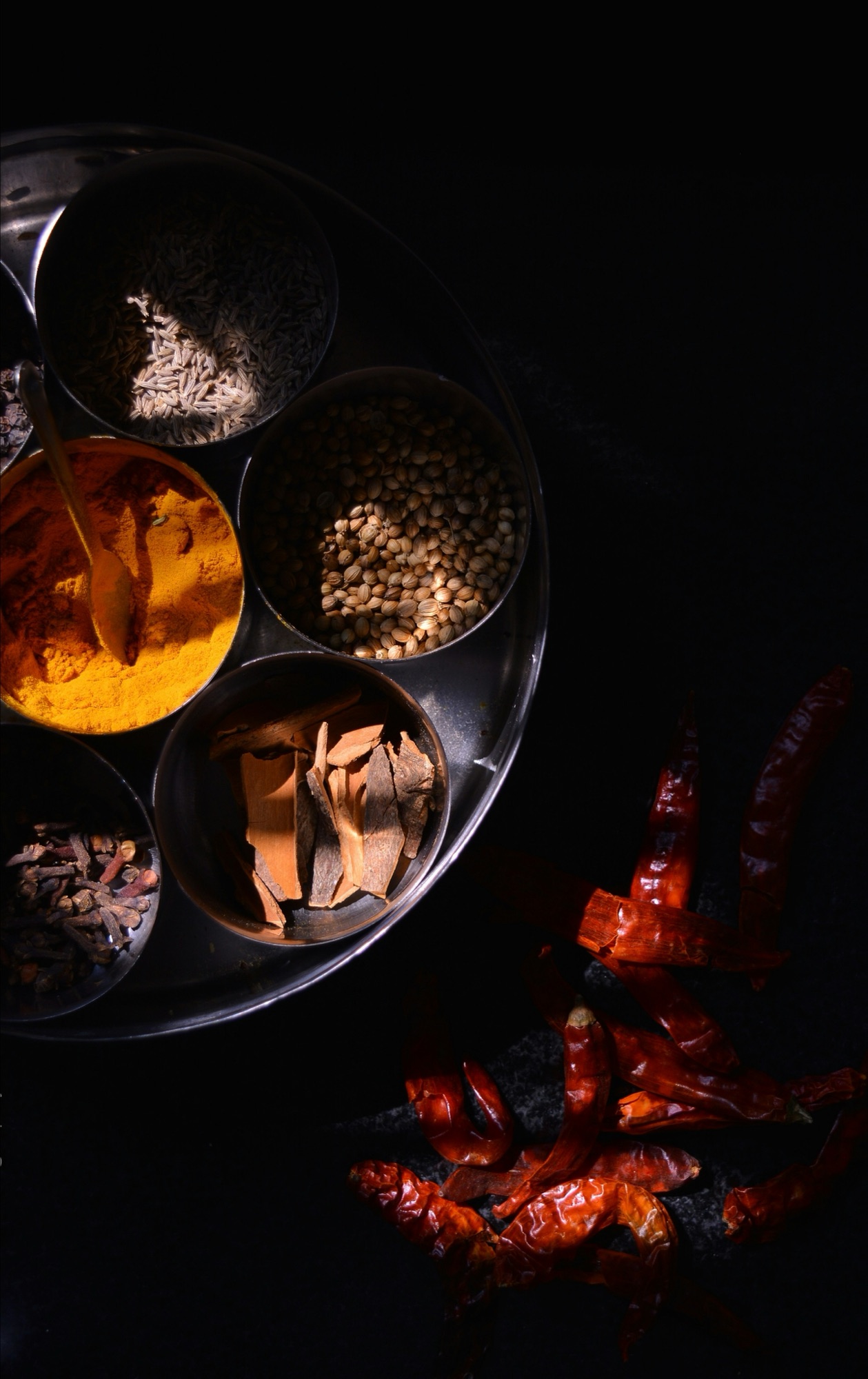
Food Insights
The knowledge behind every recipe
Ingredients, substitutions, techniques, nutrition, and the food science that makes cooking make sense.
Ingredient Guide
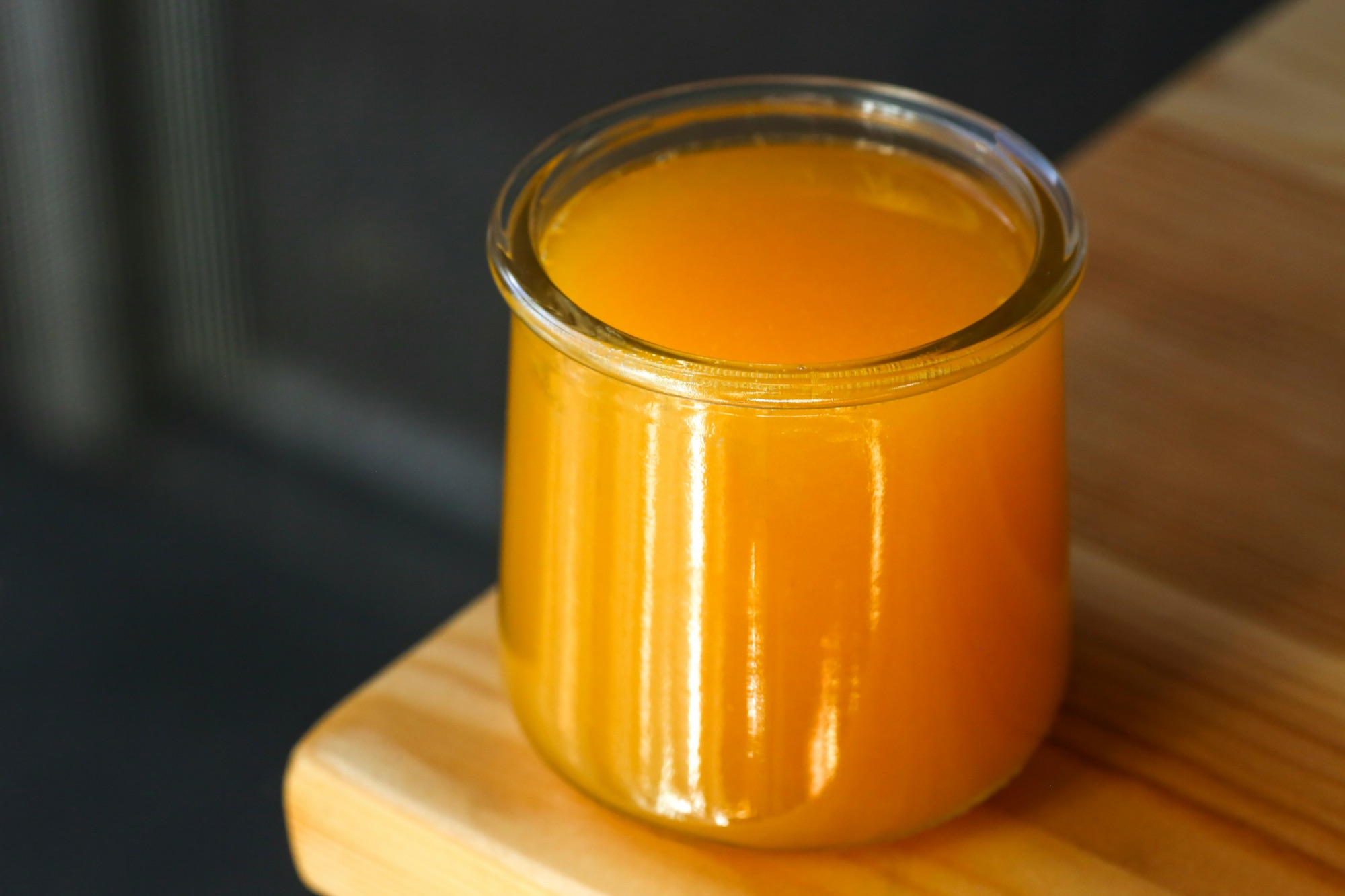
Ghee vs. Butter: What's the Difference?
Ghee and butter start from the same place but behave very differently in the pan — here's what actually separates them and when to use each.
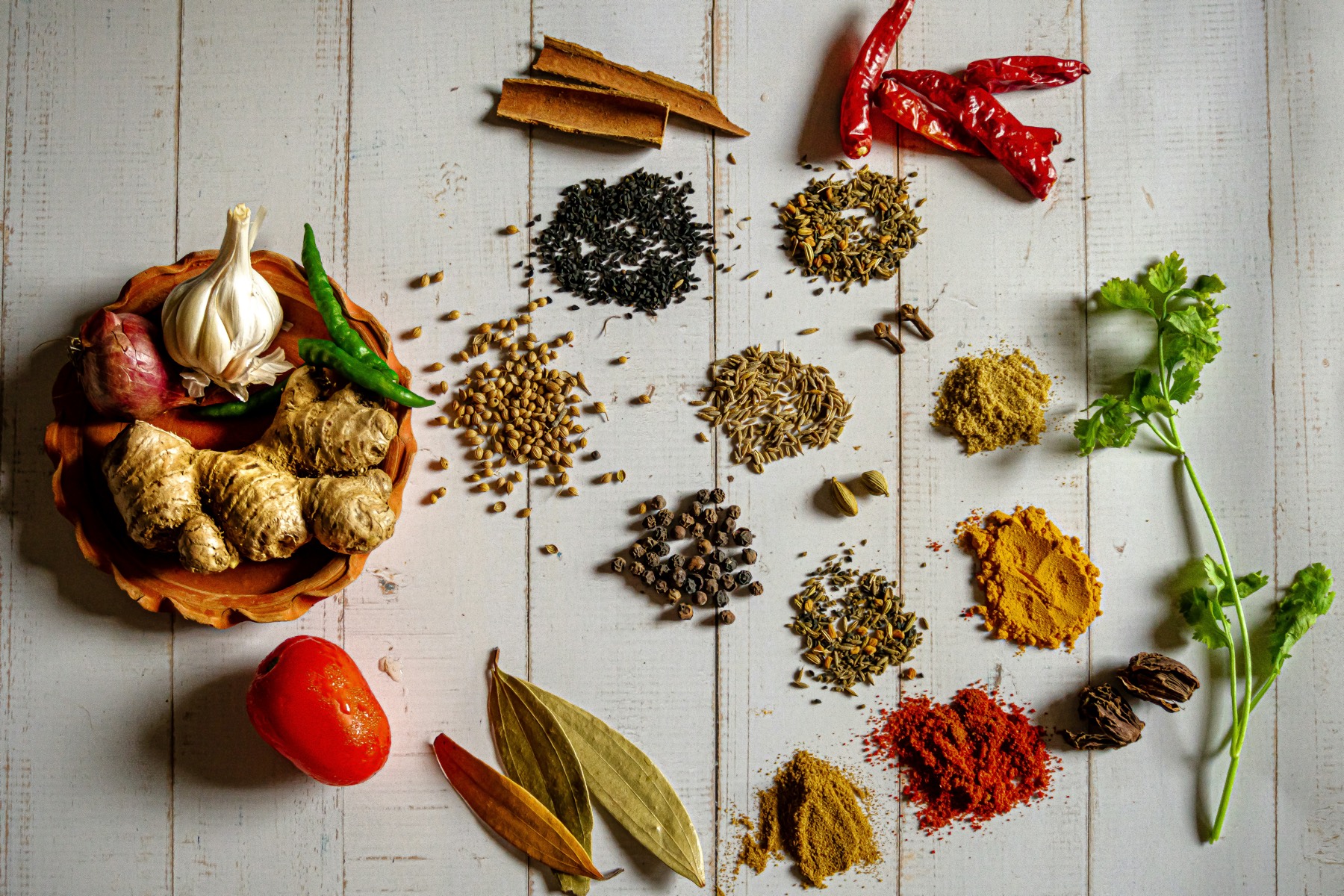
Ginger-Garlic Paste: What It Is and How to Make Your Own
A staple in a huge share of Indian recipes — what ginger-garlic paste actually is, why recipes call for it instead of the fresh ingredients separately, and how to make it yourself.
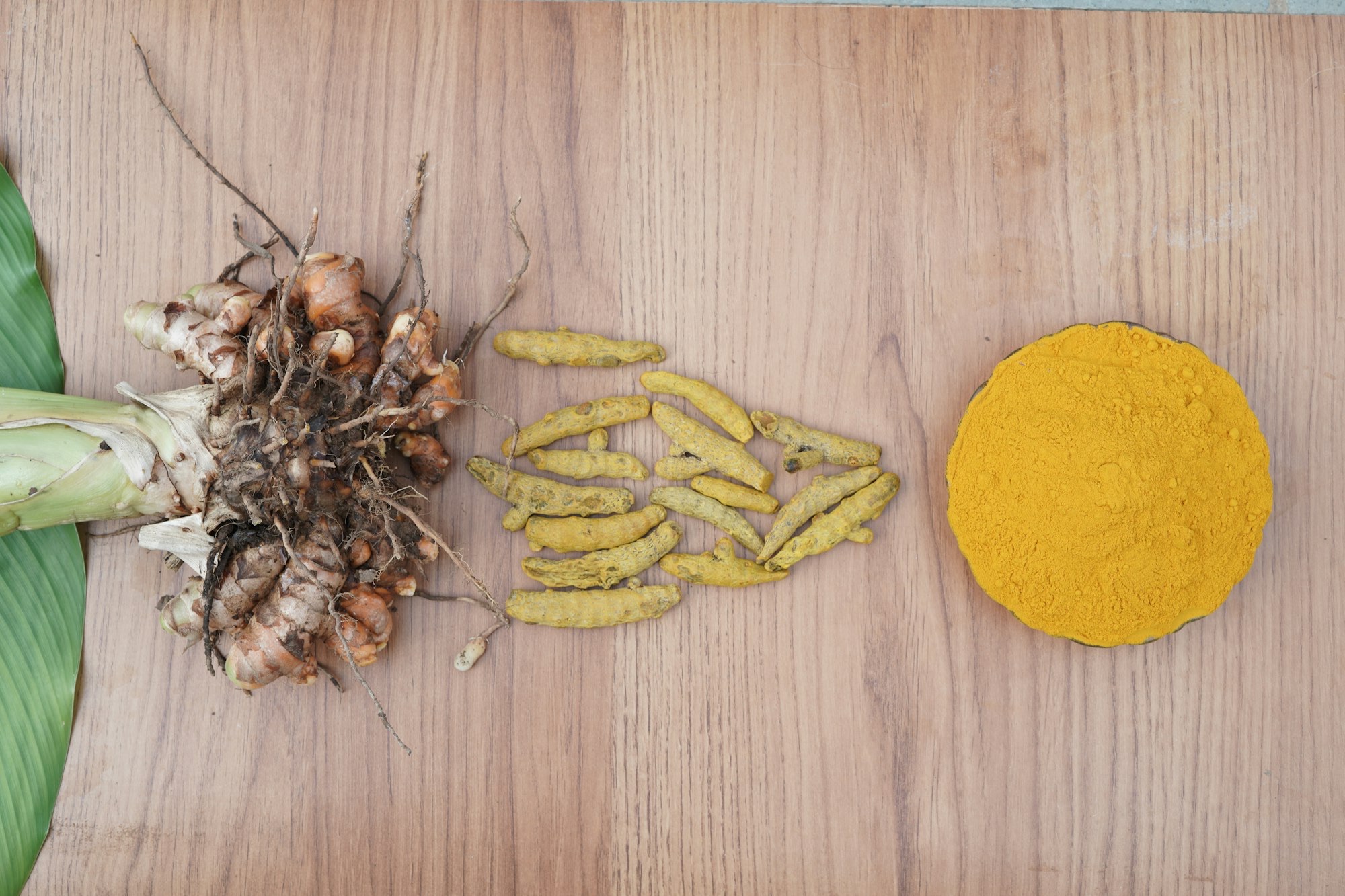
Turmeric: Uses, Benefits, and How Much to Use
Turmeric is one of the most-used spices in Indian cooking and one of the most talked-about for health — here's what it actually does in a dish and what's realistic to expect from it.

What Are Curry Leaves? (Substitutes + Where to Buy)
Curry leaves aren't curry powder and don't taste like it — here's what they actually are, how to use them, and what to do if you can't find them.
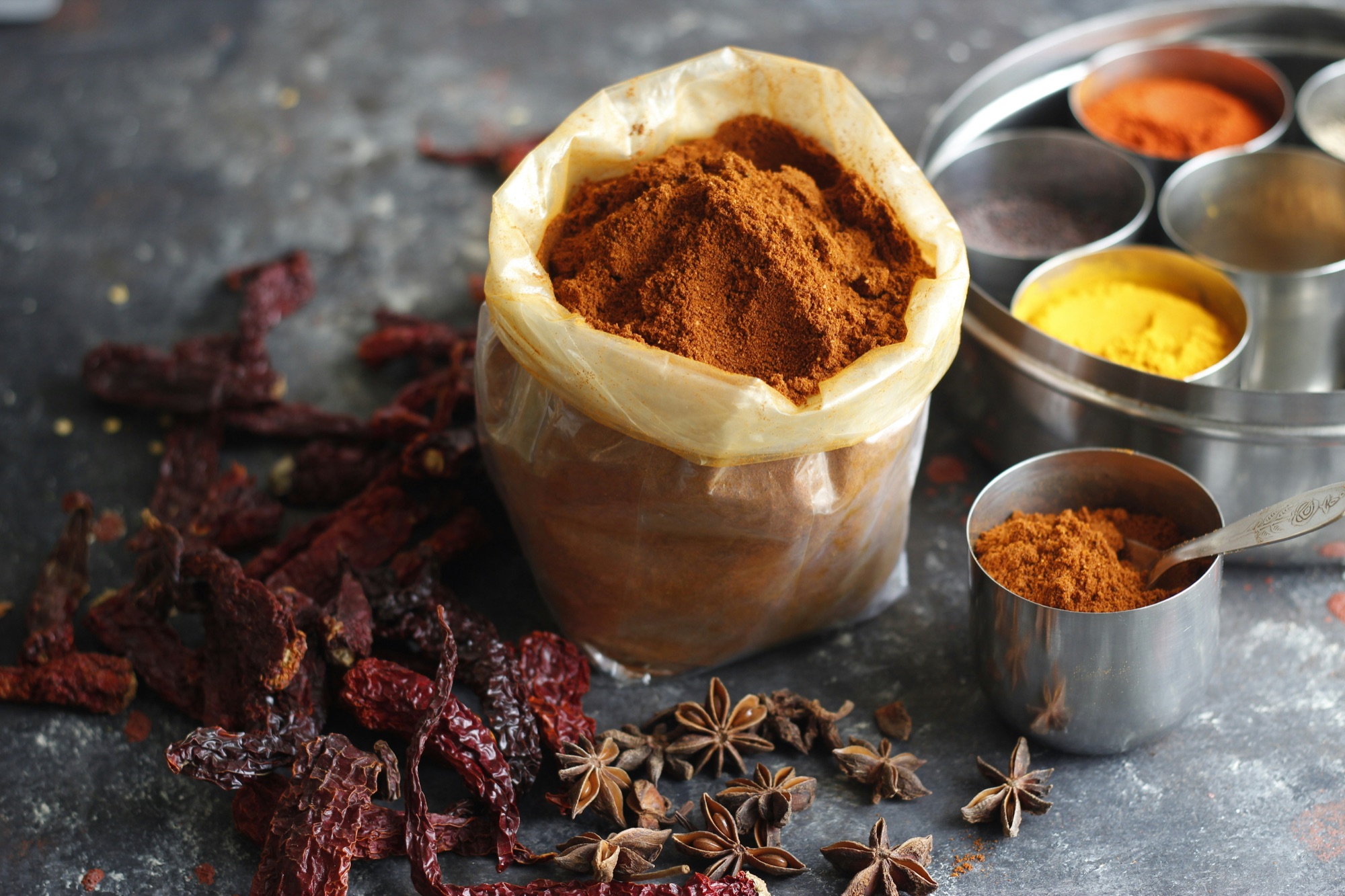
What Is Garam Masala?
The warm spice blend behind Indian butter chicken, biryani, and dozens of other dishes — what's actually in it and how to use it.
Substitution
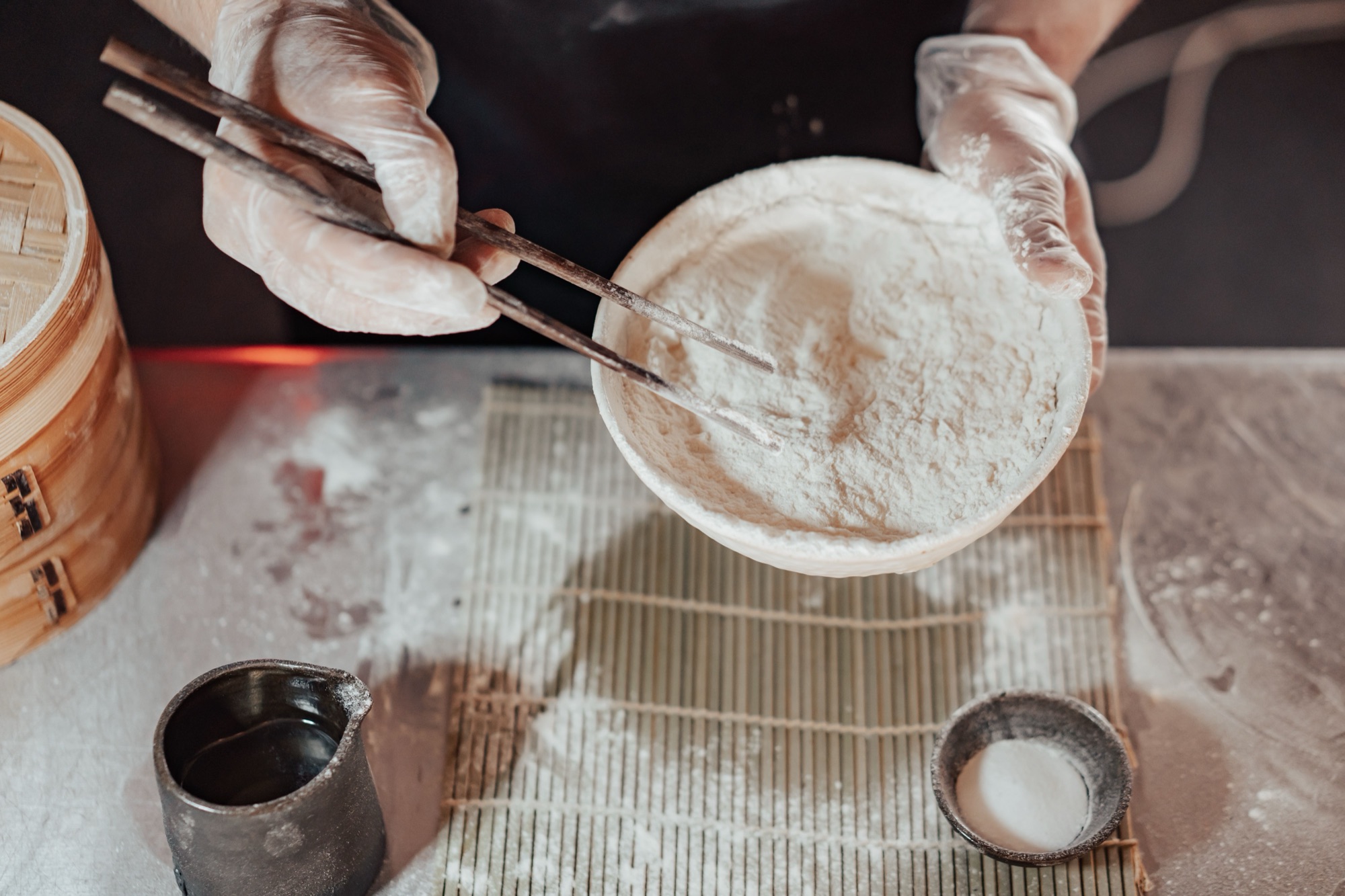
Cornstarch Substitute for Thickening
Cornstarch is a common thickener in stir-fries and sauces — here's what to use instead, and how the substitutes actually behave differently.
Curry Leaves Substitute
Curry leaves have a distinctive flavor that's genuinely hard to replace — here's the honest answer on what comes closest, and when to just leave them out.
Garam Masala Substitute (and How to Make Your Own Blend)
No garam masala in the pantry? Here's what to reach for instead, plus a simple homemade blend if you want the real thing.
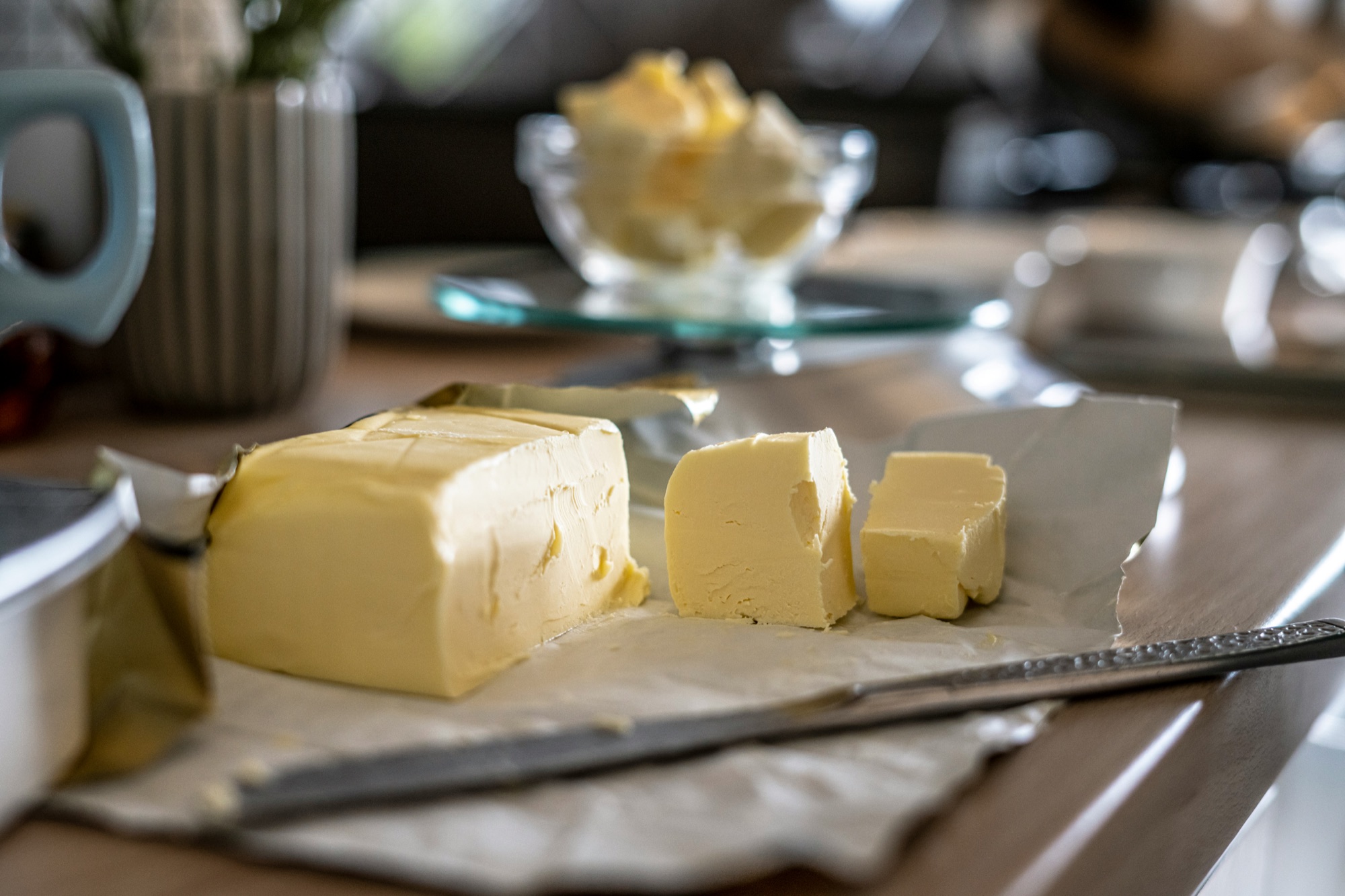
Ghee Substitute: What to Use Instead
Out of ghee mid-recipe? Here's what actually works as a substitute, and why the swap matters more in some dishes than others.
Heavy Cream Substitute (Dairy and Dairy-Free Options)
Heavy cream does two jobs — richness and thickening — and the best substitute depends on which one your recipe actually needs.
Technique
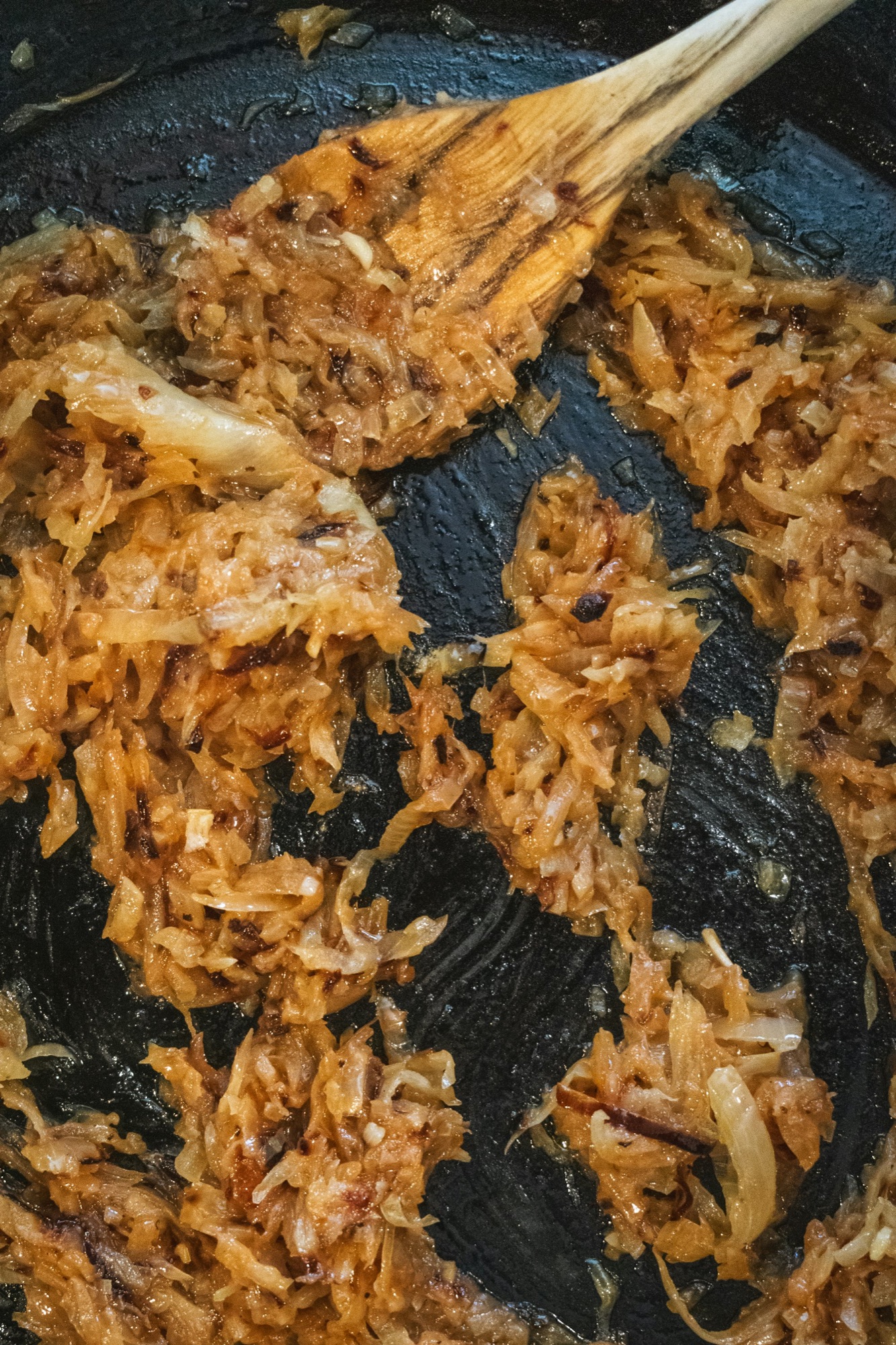
How to Caramelize Onions Properly
Real caramelized onions take longer than most recipes admit — here's what's actually happening in the pan and why rushing it doesn't work.
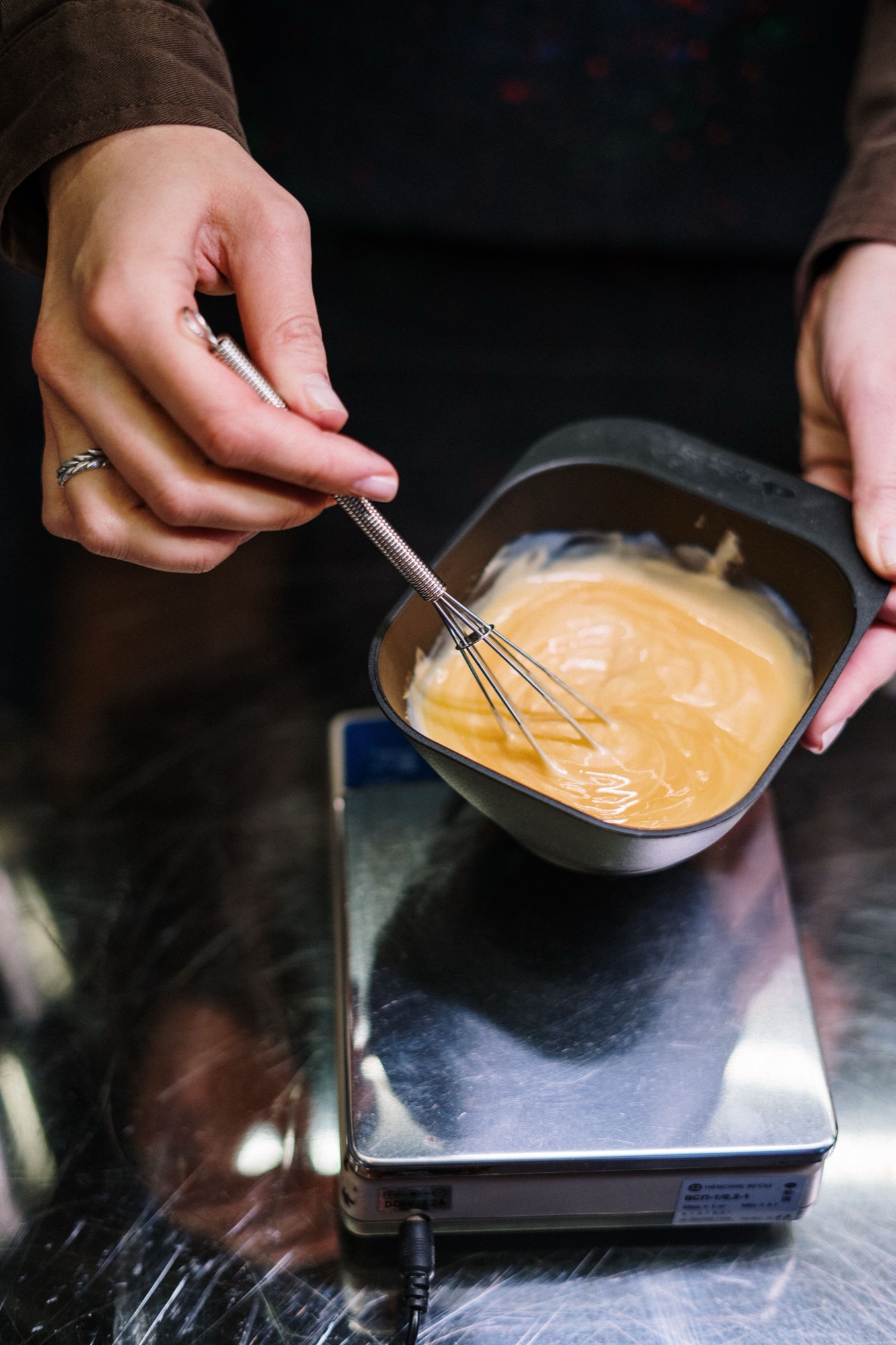
How to Make a Roux (and What It's For)
A roux is the butter-and-flour base behind béchamel, gravy, and countless soups — here's how to make one and avoid the most common mistakes.
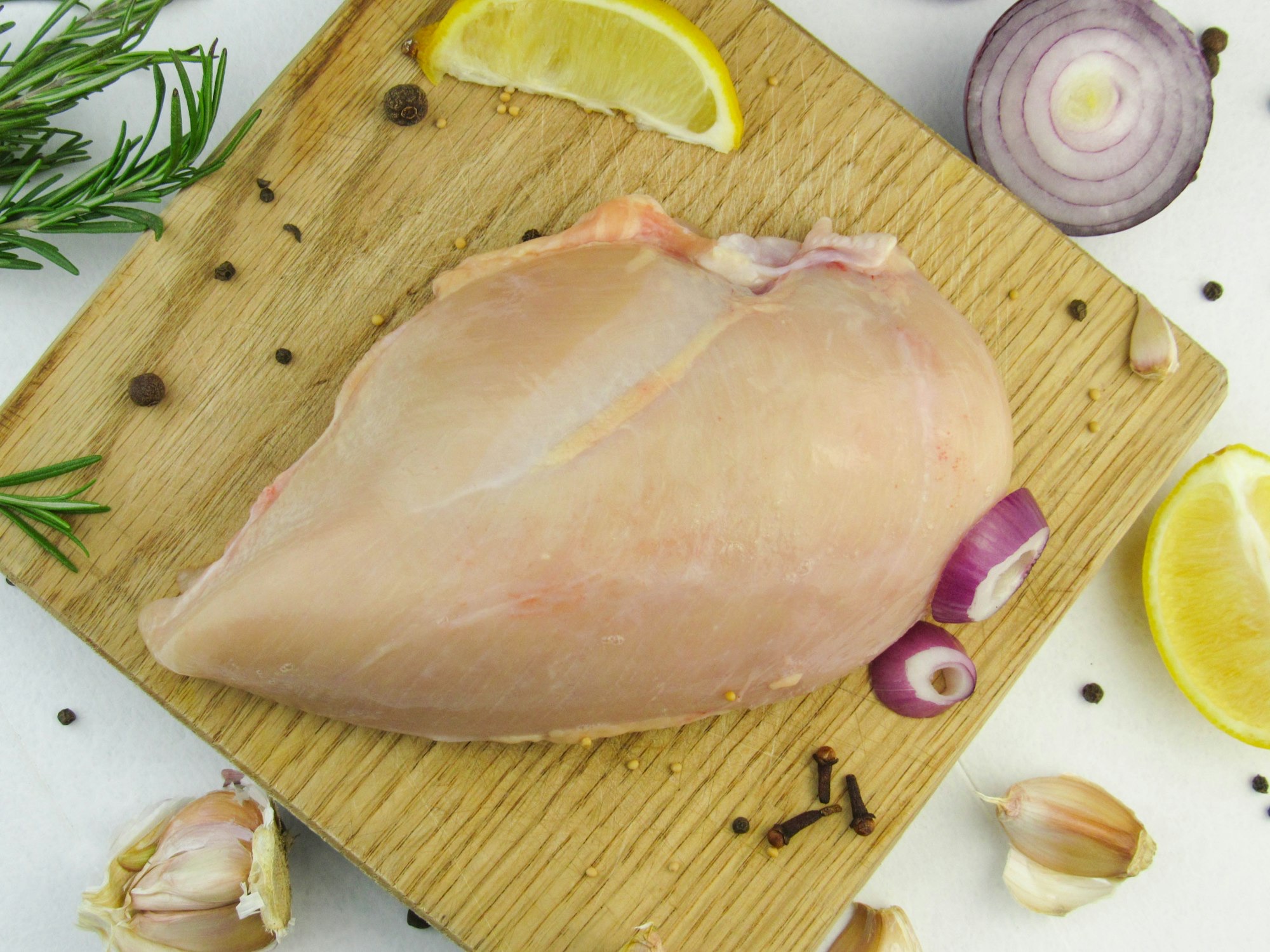
Marinating Chicken: How Long Is Long Enough?
More marinating time isn't always better, and it can actively hurt texture past a certain point — here's what's actually happening and realistic timing.
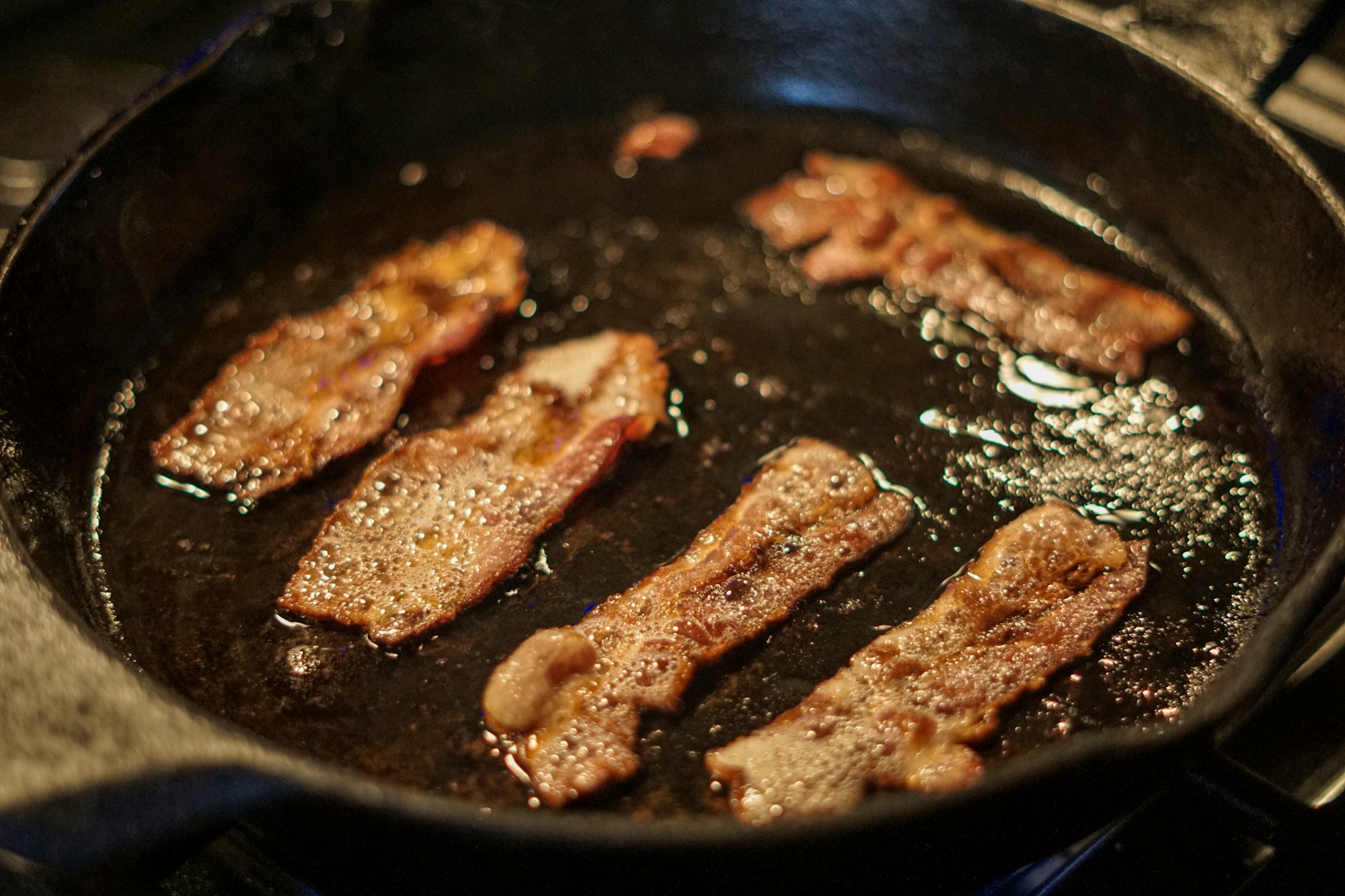
Searing Meat: Why It Matters and How to Do It Right
Searing builds real flavor, even though it doesn't do what a lot of people think it does — here's the technique explained accurately.
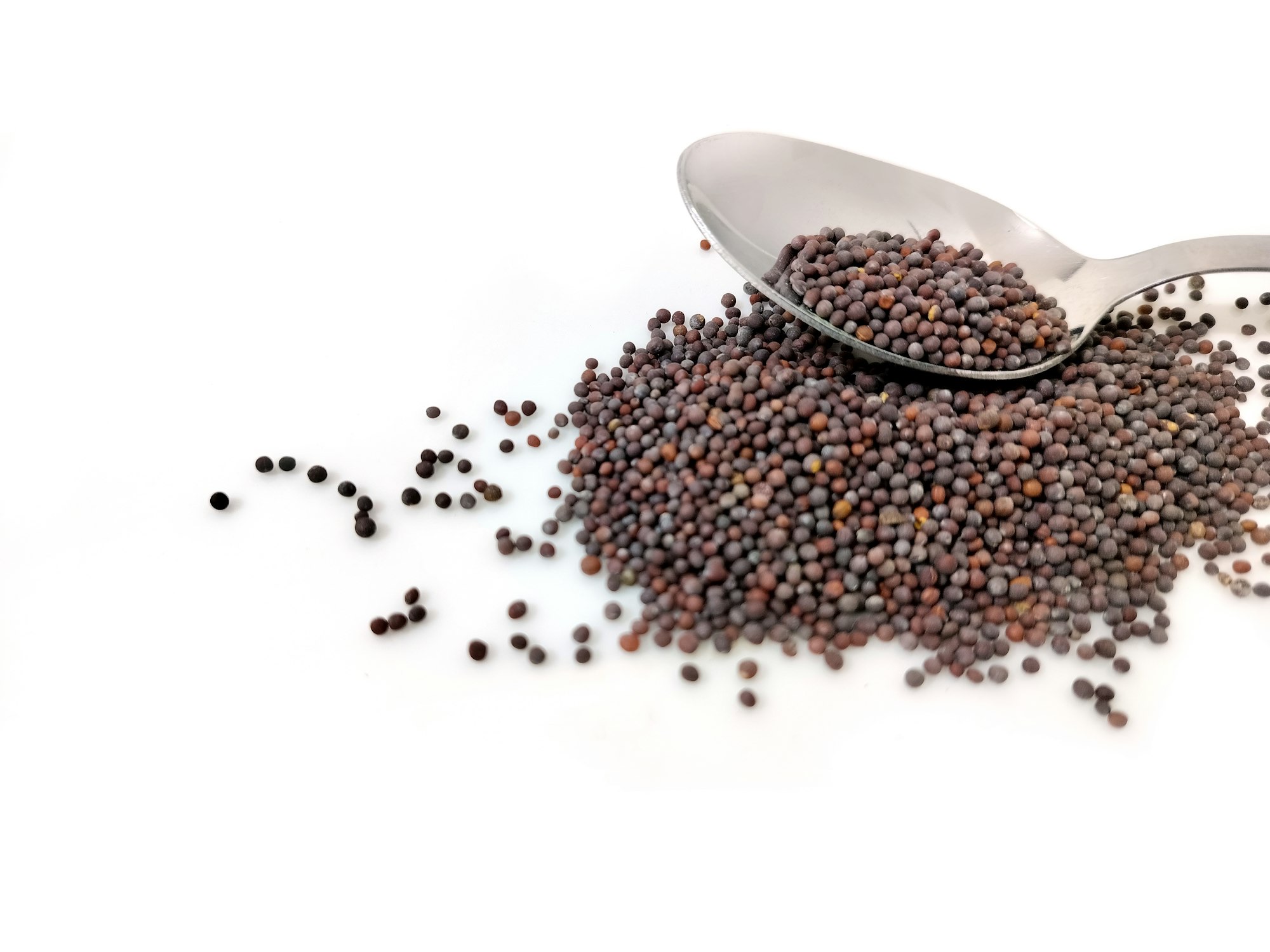
What Is Tempering (Tadka) and How to Do It
Tempering — blooming whole spices in hot oil or ghee — is one of the most-used techniques in Indian cooking. Here's what it does and how to do it right.
Nutrition Explainer
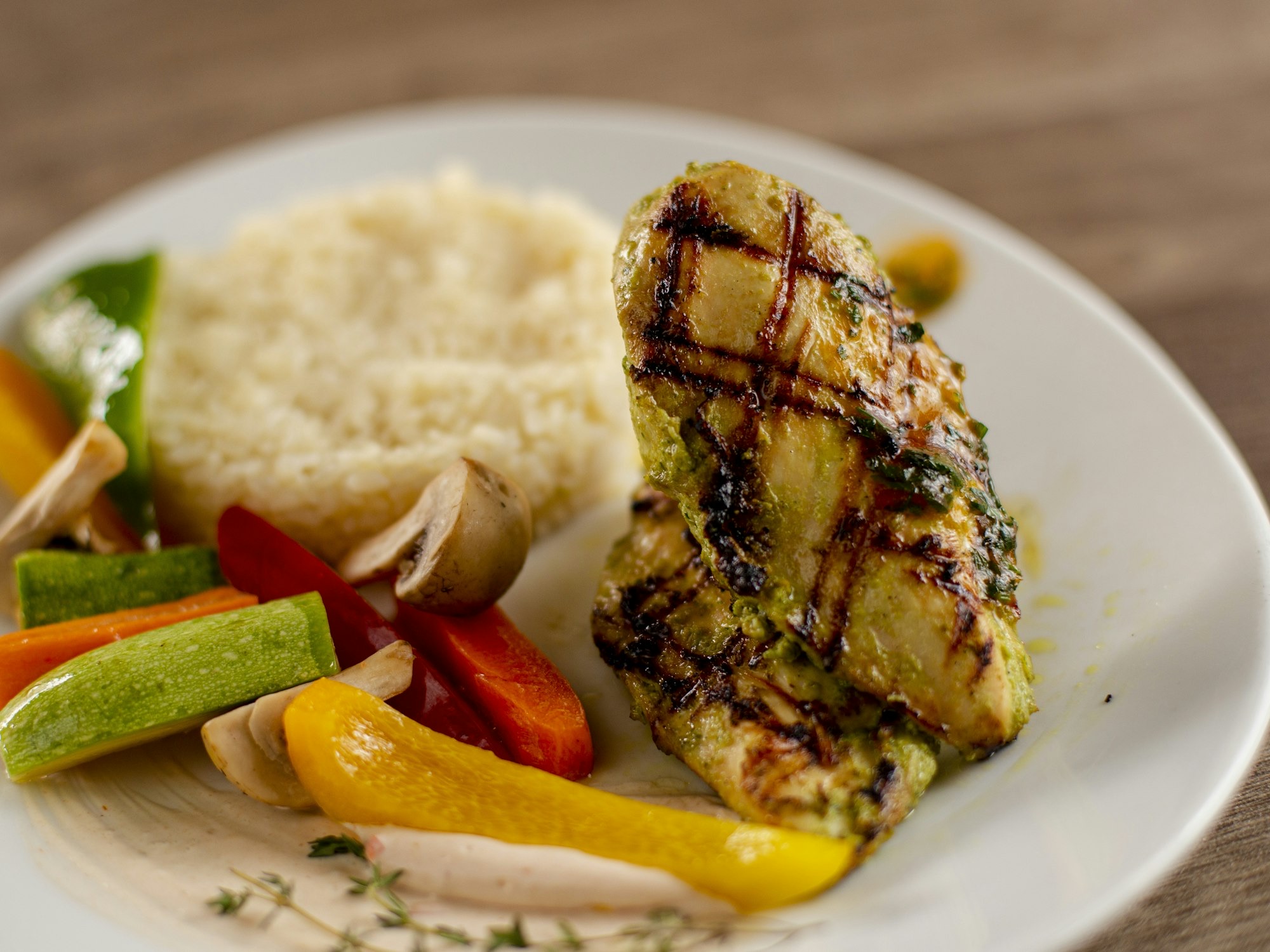
How Cooking Method Affects Calories
The same ingredients can end up at very different calorie counts depending on how they're cooked — mostly because of added fat, not some hidden effect of heat itself.
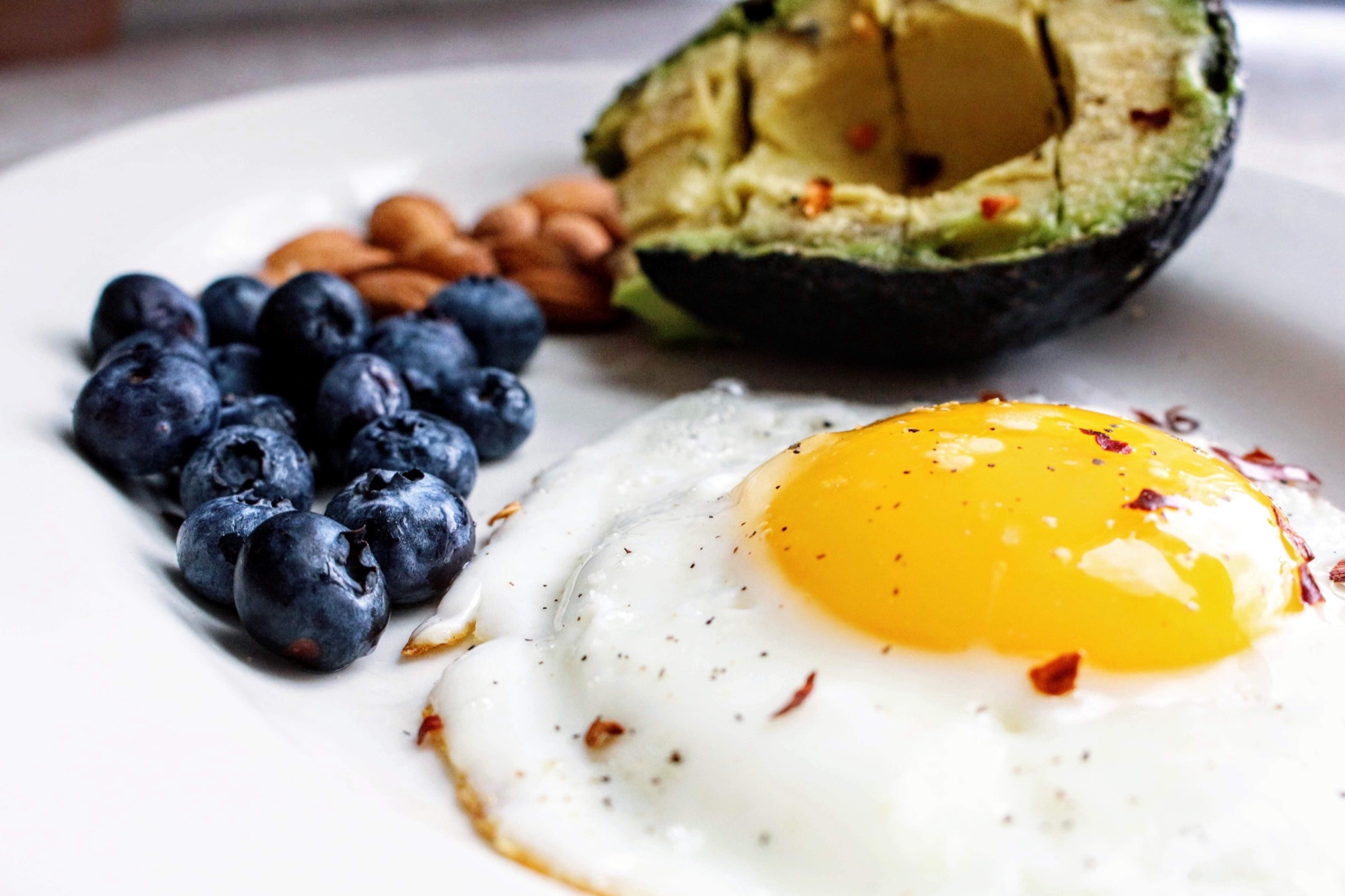
Macronutrients Explained: Protein, Carbs, and Fat
What the three macronutrients actually do in your body, and why recipe nutrition breakdowns lead with them.
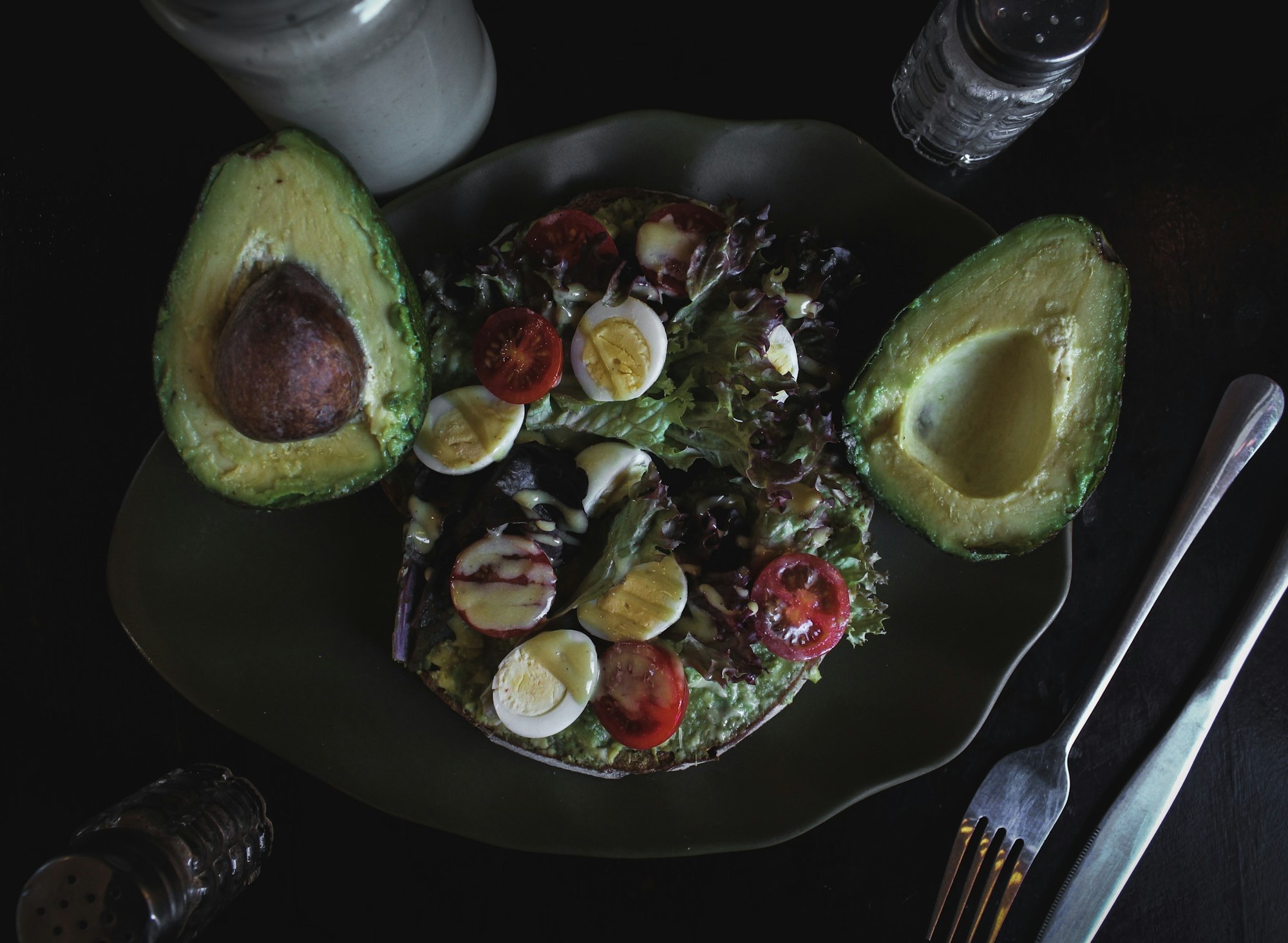
Net Carbs vs. Total Carbs: What's the Difference?
Net carbs is the number keto and low-carb recipes actually care about — here's exactly how it's calculated and why it's not the same as total carbs.
Reading a Nutrition Label vs. Real Ingredient-Level Nutrition
Packaged-food nutrition labels and a home-cooked recipe's nutrition estimate aren't measuring the same thing the same way — here's the real difference.
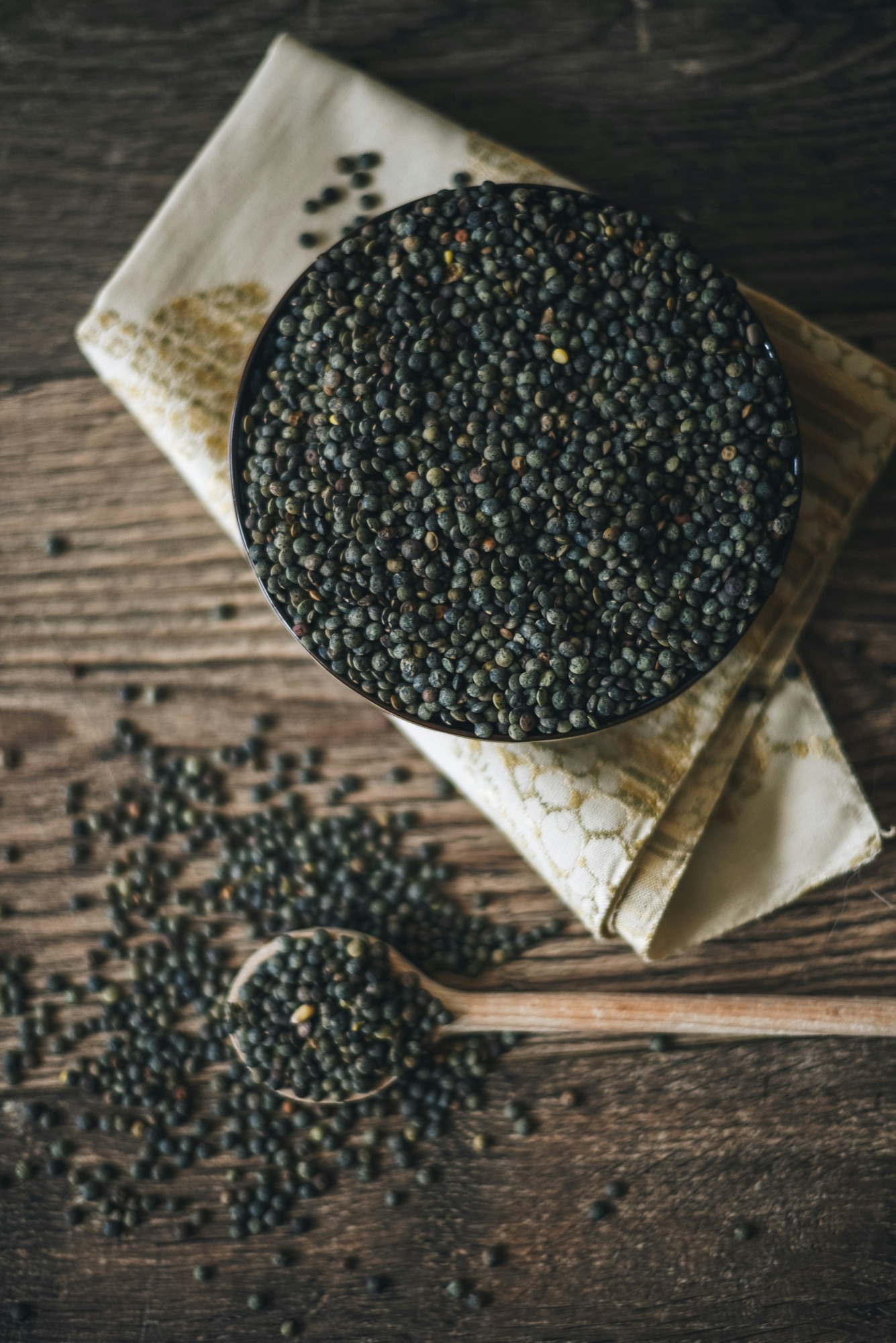
What Is a Complete Protein?
Complete protein is a real, specific nutrition term — not a vague label — and it matters most for anyone eating plant-based. Here's what it actually means.
Food Myth & Science
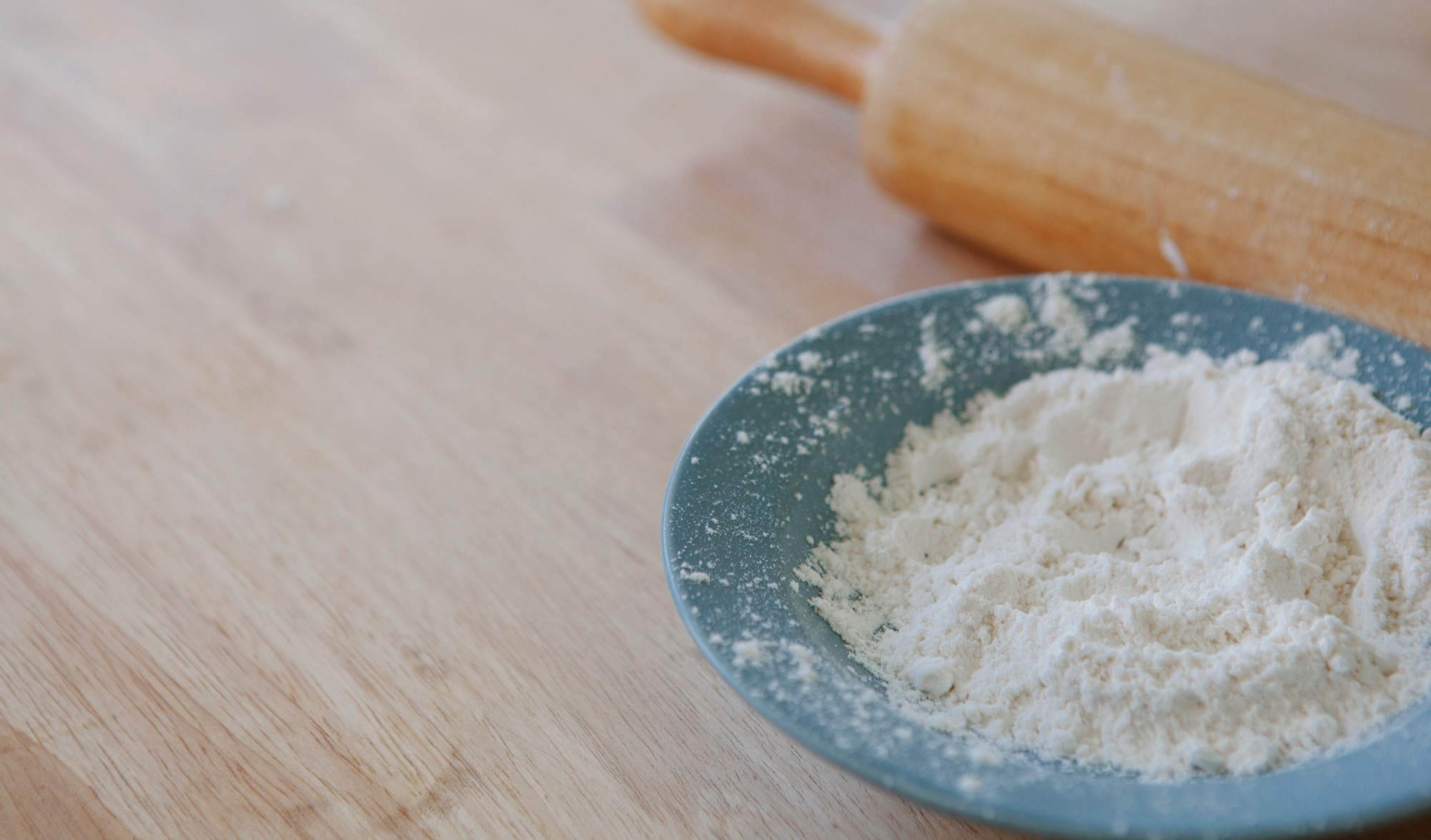
Baking Soda vs. Baking Powder: What's Actually Different?
They look nearly identical and both make things rise, but baking soda and baking powder work through different chemistry and aren't interchangeable.
Does Searing Meat Really "Seal in Juices"?
The classic kitchen claim, tested against what actually happens when meat hits a hot pan.
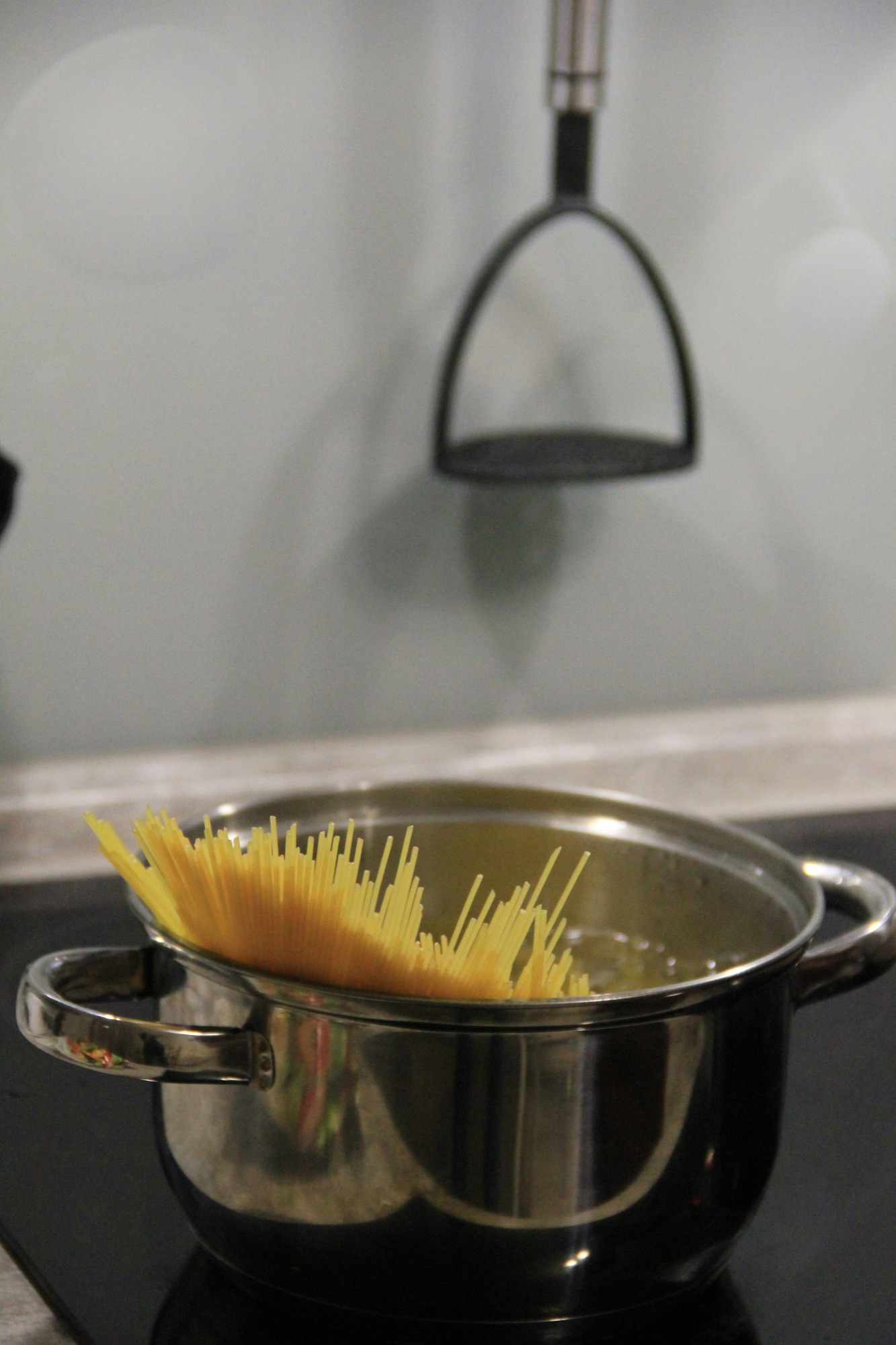
Should You Save Your Pasta Water?
Pouring pasta water down the drain skips one of the easiest, free upgrades in cooking — here's what it actually does to a sauce and why.
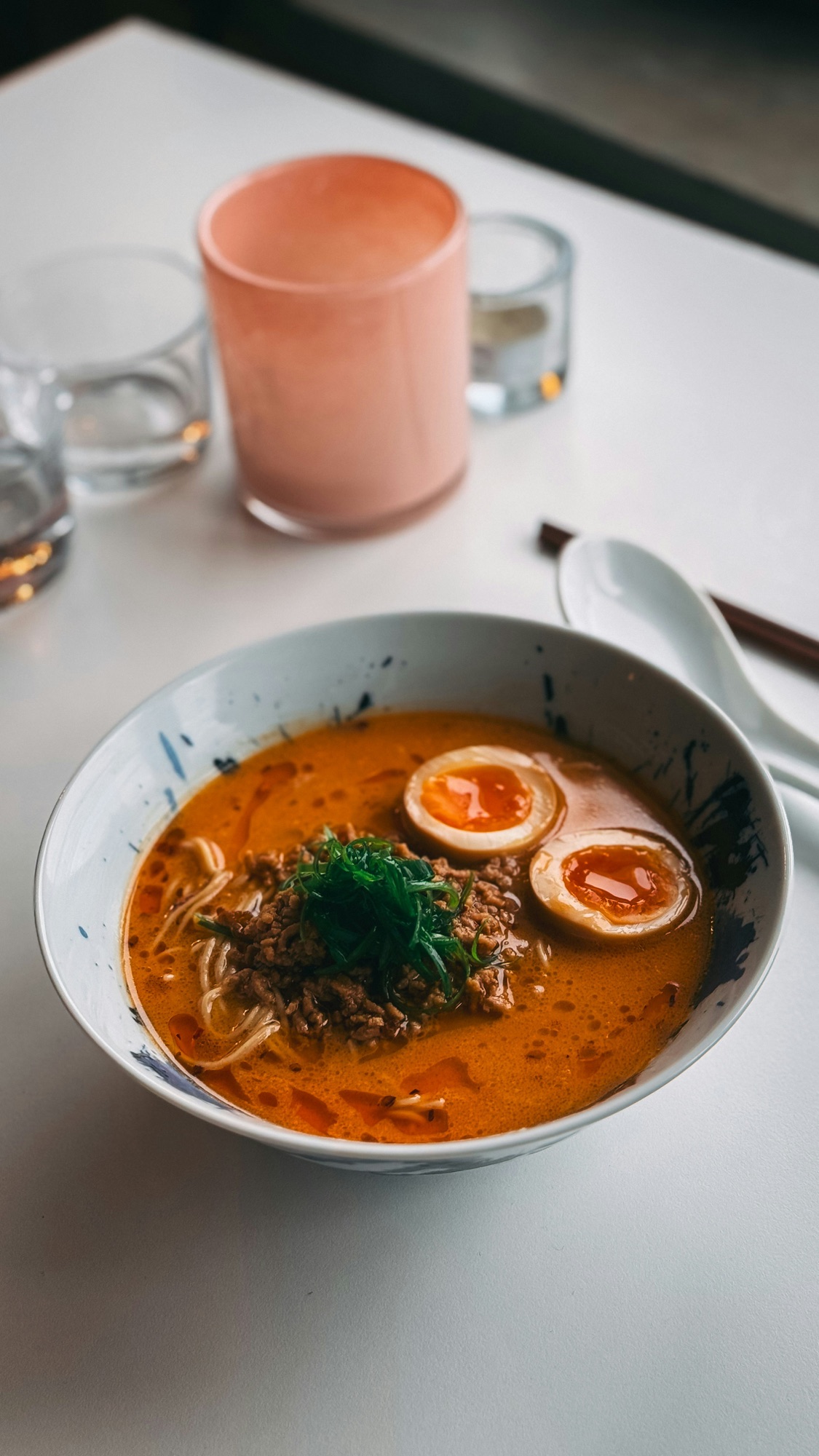
What Is Umami, and Which Ingredients Have It?
Umami is the fifth basic taste alongside sweet, salty, sour, and bitter — here's what it actually is and which real ingredients bring it to a dish.
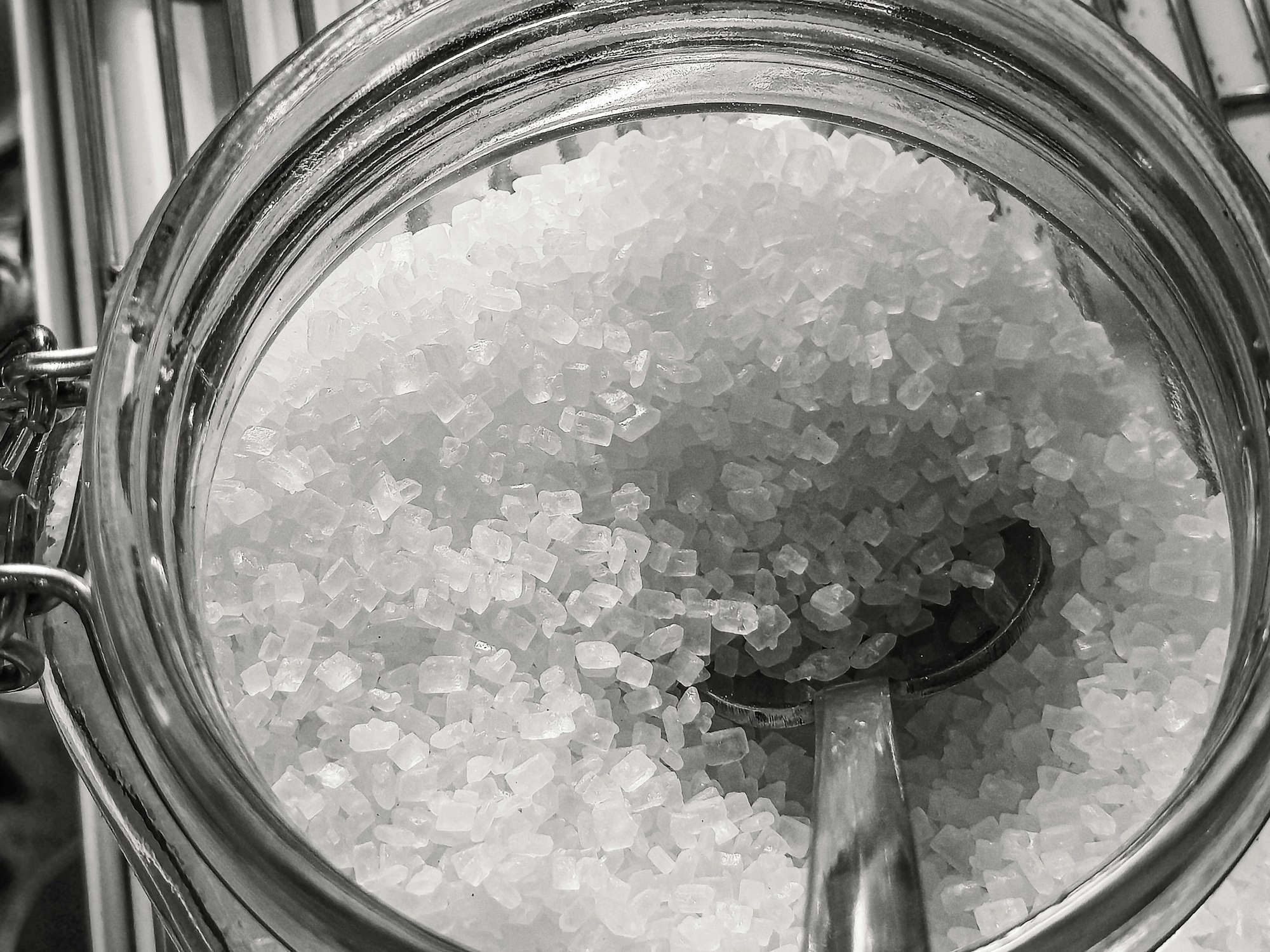
Why Does Salt Improve Flavor?
Salt doesn't just make food 'taste salty' — it changes how you perceive other flavors entirely. Here's the actual mechanism behind why food tastes flat without it.