Saving a cup of pasta water before draining is one of the most repeated tips in Italian-style cooking, and unlike some kitchen advice, this one holds up — it's genuinely doing something, not just tradition for its own sake.
What's actually in it
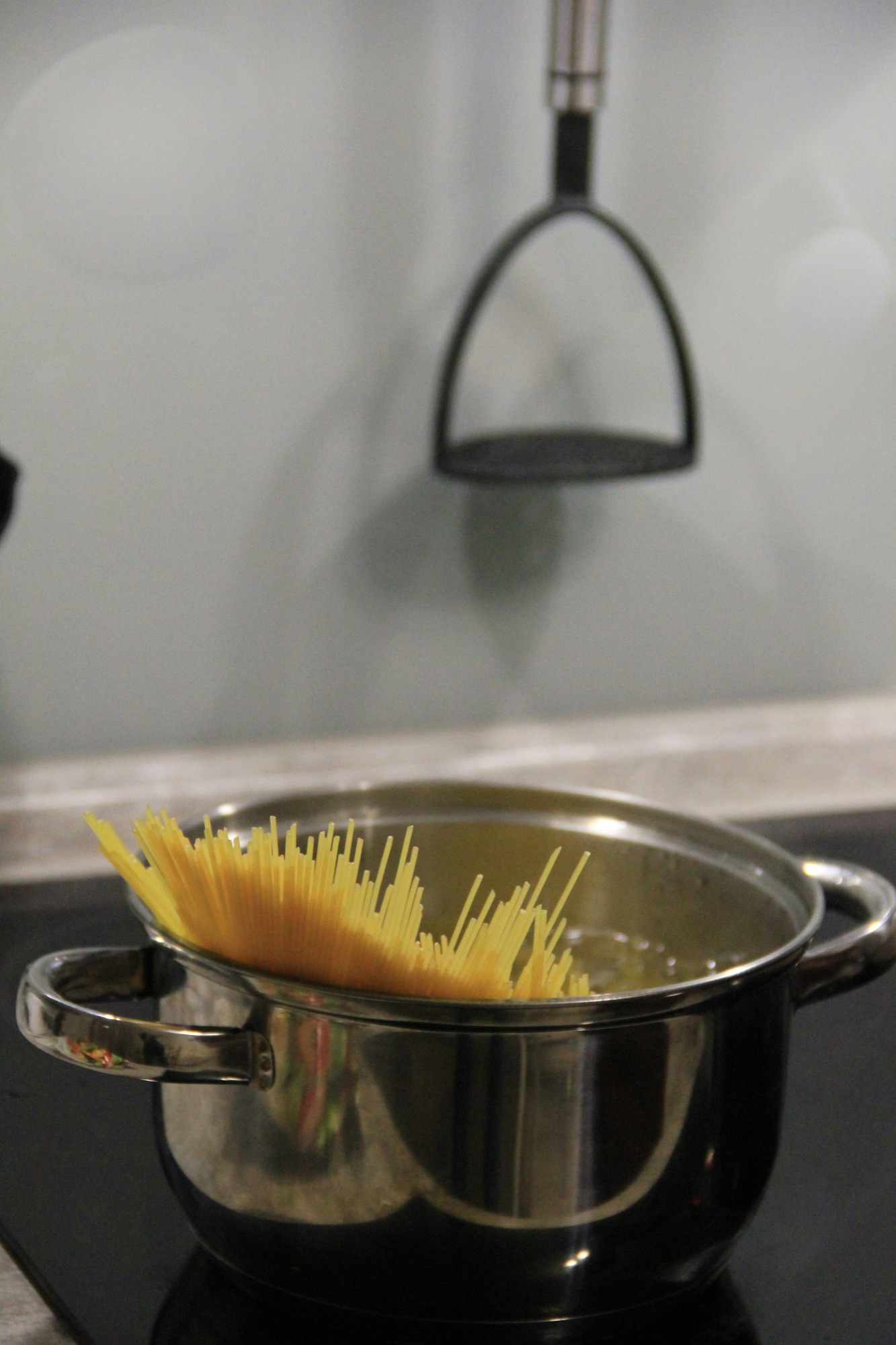
As pasta cooks, it releases starch into the surrounding water. By the time pasta is done, that water isn't plain water anymore — it's a light, starchy, salted liquid that carries some of the pasta itself dissolved into it.
What it does in a sauce
That starch is the key. Added a splash at a time to a sauce, pasta water helps the sauce thicken slightly and, more importantly, helps it emulsify — binding fat (butter, olive oil, cheese) and liquid together into something smooth and cohesive, rather than a sauce that looks broken or separated with oil pooling visibly. Plain tap water doesn't do this, since it carries none of that starch.
Why it also helps the sauce cling to the pasta
Because pasta water contains dissolved starch from the pasta itself, tossing pasta directly in a sauce loosened with pasta water (rather than plain water, or no water at all) helps the sauce coat each strand more evenly, rather than sliding off and pooling at the bottom of the bowl.
How much to actually use
A ladle or cup reserved before draining is more than enough for most sauces — it's added gradually, a splash at a time, while tossing the pasta and sauce together, stopping once the sauce reaches the consistency you want. It's easy to add more; there's no fixing a sauce that's been thinned too much.
Does it matter for every dish?
The effect matters most for sauces that rely on emulsification — butter or oil-based sauces, cheese sauces, anything meant to look glossy and cohesive rather than chunky. For a very simple oil-and-garlic preparation or a heavily separated, oil-forward sauce, it still helps but the difference is less dramatic than in a sauce actively trying to bind fat and liquid together.