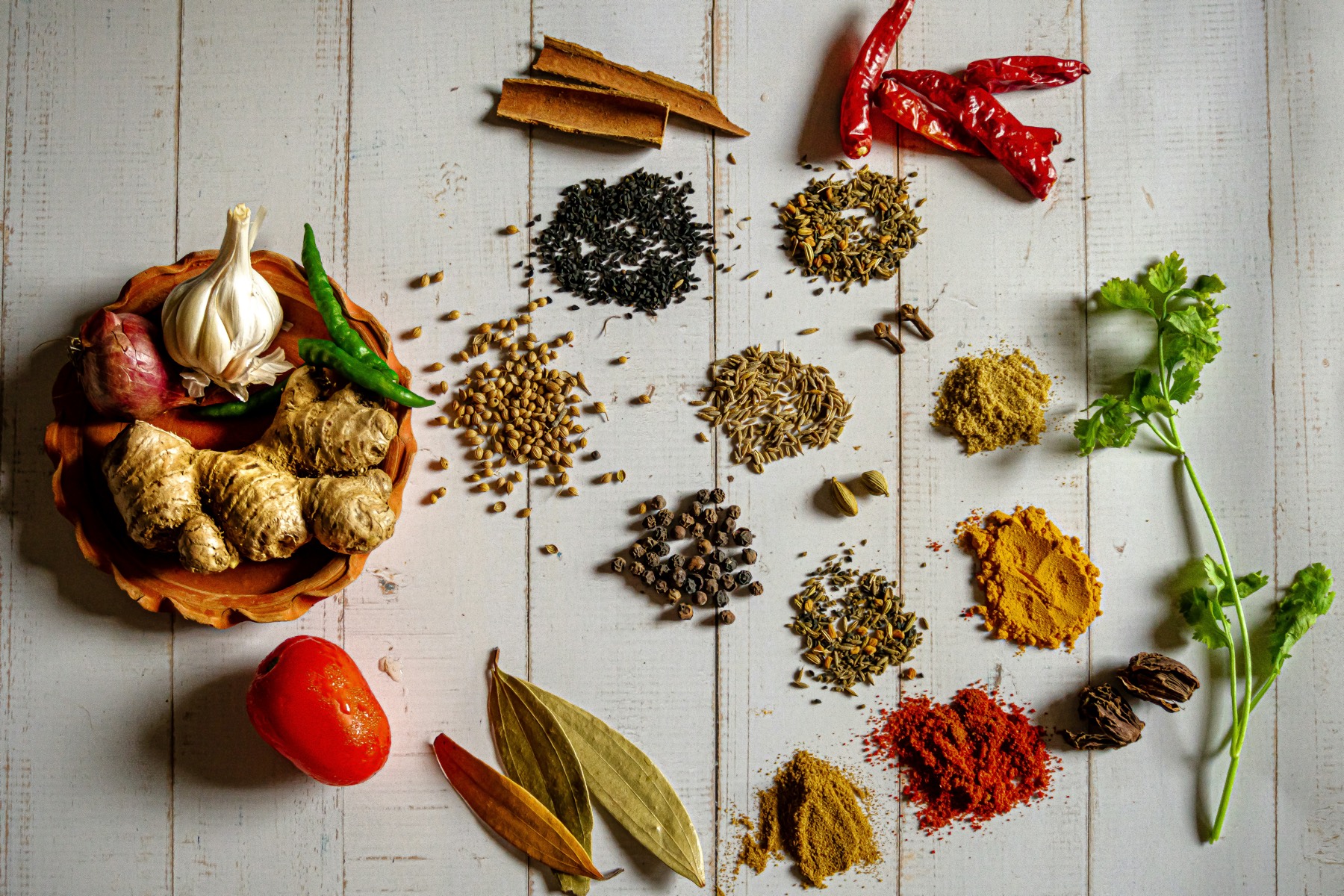
If you've cooked from Indian recipes, you've probably run into "ginger-garlic paste" as a single ingredient line rather than "ginger" and "garlic" listed separately. It's exactly what it sounds like — a smooth paste made by blending the two together — but the reason it's treated as its own ingredient comes down to convenience and consistency, not flavor.
What it actually is
Ginger-garlic paste is typically a roughly 1:1 mix of fresh ginger and garlic, blended smooth with a small amount of water or oil to help it emulsify. Some versions add a splash of vinegar or oil as a natural preservative to extend shelf life in the fridge.
Why recipes call for it as one ingredient
Ginger and garlic show up together in a huge share of savory Indian cooking, almost always in similar proportions, and almost always minced or pasted rather than left whole. Pre-blending the two into one paste saves a repetitive prep step every time you cook — instead of mincing both separately for each dish, you make a batch once and scoop out a spoonful whenever a recipe needs it.
How to make your own
- Peel roughly equal weights of fresh ginger and garlic.
- Roughly chop both, then blend in a food processor or blender with a small splash of water or neutral oil — just enough to let it move.
- Blend until smooth, scraping down the sides as needed.
- Store in an airtight container in the fridge.
Fresh, refrigerated ginger-garlic paste keeps for roughly one to two weeks; it can also be frozen in small portions (an ice cube tray works well) for longer storage.
Store-bought vs. homemade
Store-bought jarred versions are convenient but often contain added preservatives and can taste noticeably flatter than a fresh batch, since ginger and garlic both lose aromatic intensity over time once cut or blended. If a recipe leans heavily on this paste as a flavor base — as many curries and marinades do — fresh, homemade paste makes a real, noticeable difference.