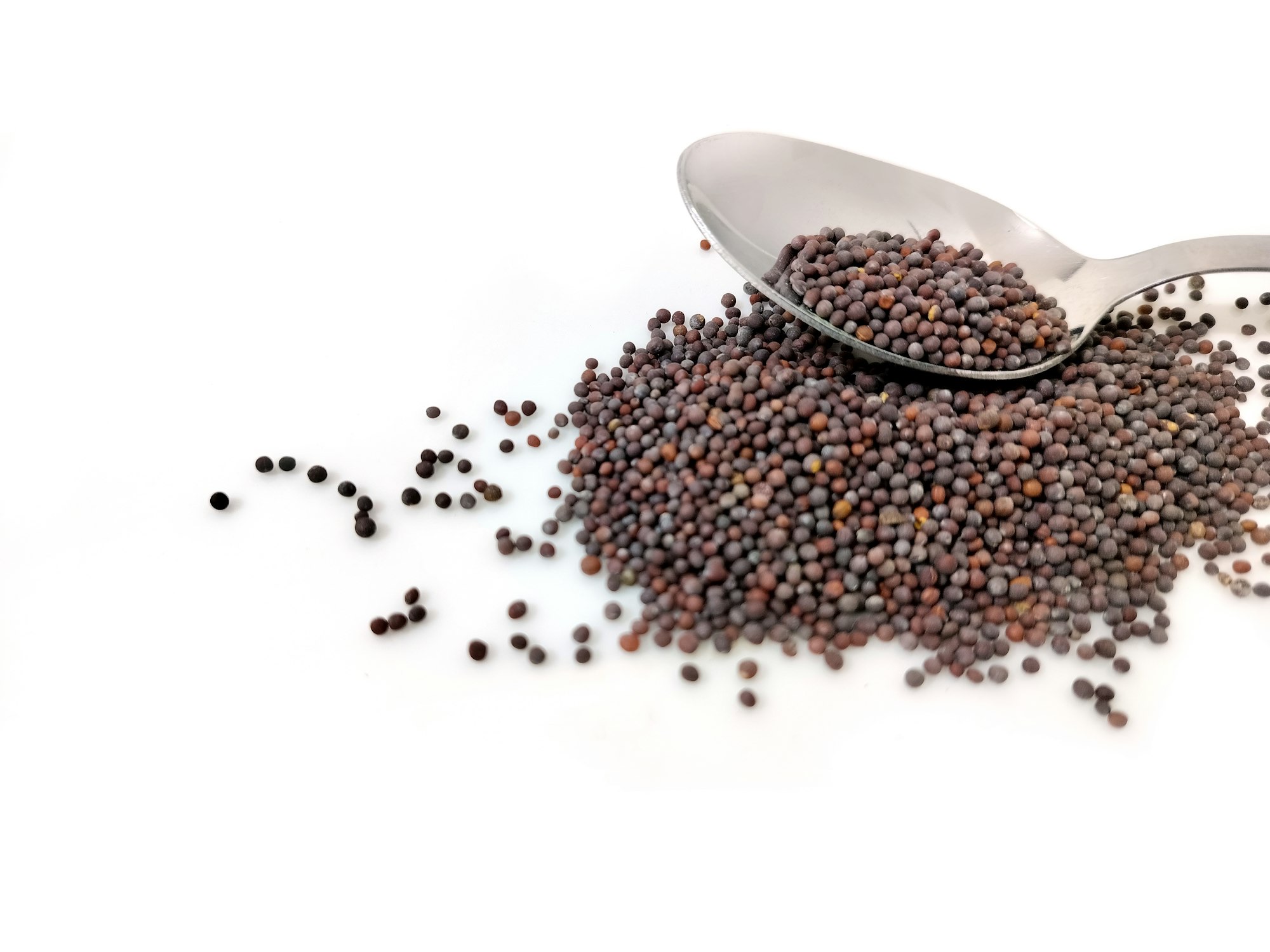
Tempering — often called tadka or chhonk depending on the region — is the technique of briefly cooking whole spices in hot oil or ghee to release their aroma before they're added to (or poured over) a dish. It's one of the most common techniques in Indian and South Asian cooking, and it's also one of the easiest to get wrong by rushing it.
Why it's done
Many spices, especially whole ones like cumin seeds, mustard seeds, and cinnamon, contain aromatic oils that only fully release when heated in fat. Adding the same spices raw, or added late without this step, gives a noticeably flatter, more muted flavor. Tempering front-loads that aroma into the cooking oil itself, so it carries through the whole dish rather than sitting inertly in the pot.
How to do it
- Heat oil or ghee in a small pan or the same pot you'll cook in, over medium heat.
- Add whole spices first — mustard seeds, cumin seeds, whole dried chilies, or a cinnamon stick, depending on the dish.
- Watch closely: mustard seeds will pop and crackle, cumin seeds will sizzle and darken slightly. This takes seconds, not minutes.
- If curry leaves or fresh aromatics like sliced garlic are part of the mix, add them right after the whole spices, since they cook faster.
- Once the spices are fragrant (and mustard seeds have stopped popping), either continue building the dish in the same pan, or pour the hot oil and spices over a finished dish like a dal.
The most common mistake
The biggest risk is burning the spices — once they go from fragrant to acrid, there's no fixing it, and the bitterness carries into everything added afterward. Medium heat and close attention matter more than speed here; if the spices are browning too fast, pull the pan off the heat for a few seconds rather than letting them scorch.
Tempering at the start vs. at the end
Some dishes temper spices at the very beginning, building the rest of the dish on top of that flavored oil (as in a biryani's whole-spice base). Others temper separately at the end and pour the hot, spiced oil over an already-finished dish, like a dal — a technique sometimes specifically called "tadka" as a finishing step rather than a starting one. Both are the same underlying technique, just used at different points in the cooking process.