Ingredient Guide

What Is Garam Masala?

Rasora Team · August 19, 2026 · 1 min read

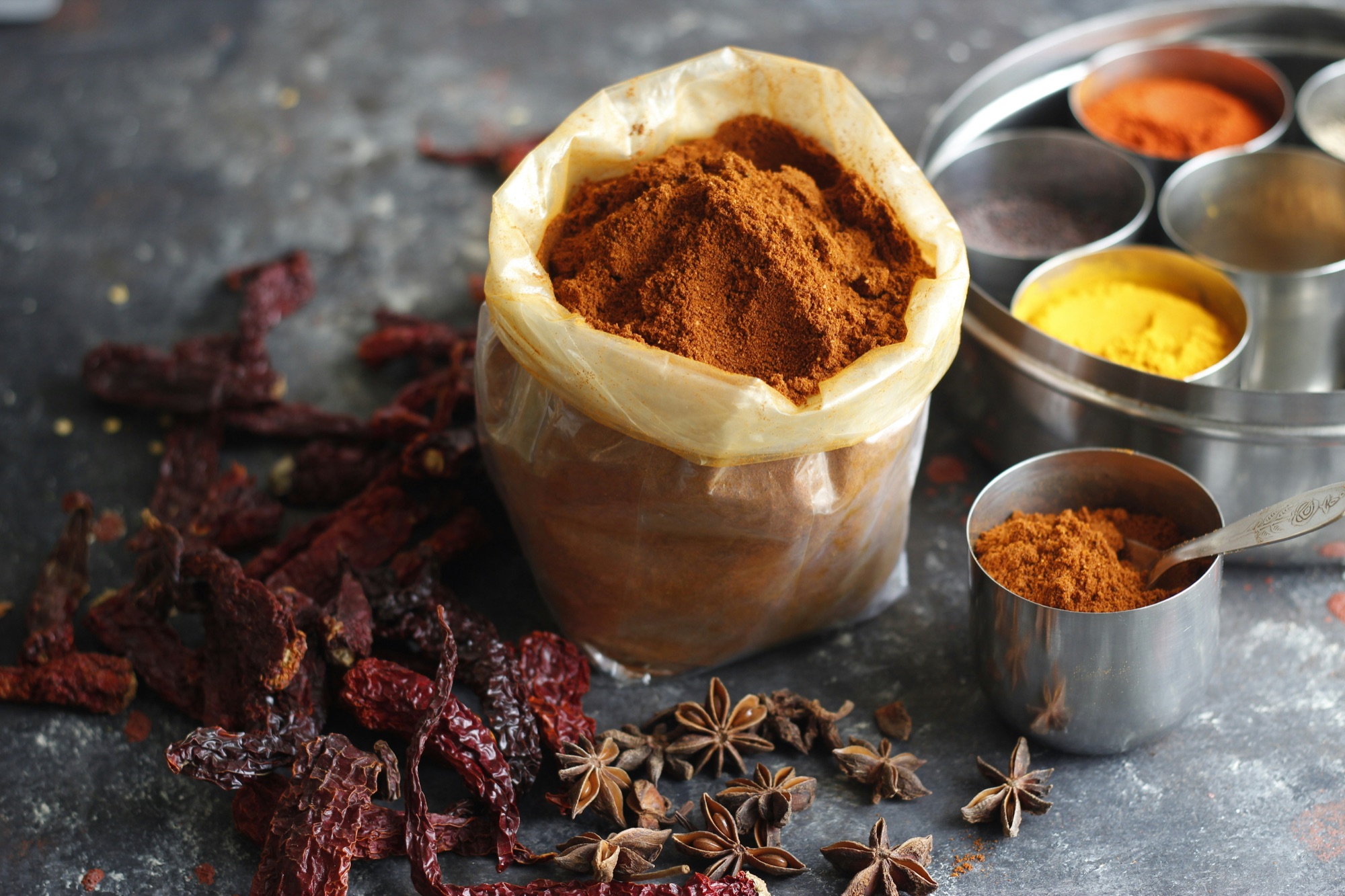
Garam masala shows up in a huge share of Indian cooking, but the name itself doesn't tell you much — "garam" means warm, and "masala" means spice blend. It's not a single spice, and it's not spicy-hot in the chili sense. It's a blend of warming spices meant to round out a dish's flavor, usually added toward the end of cooking rather than at the start.

What's actually in it

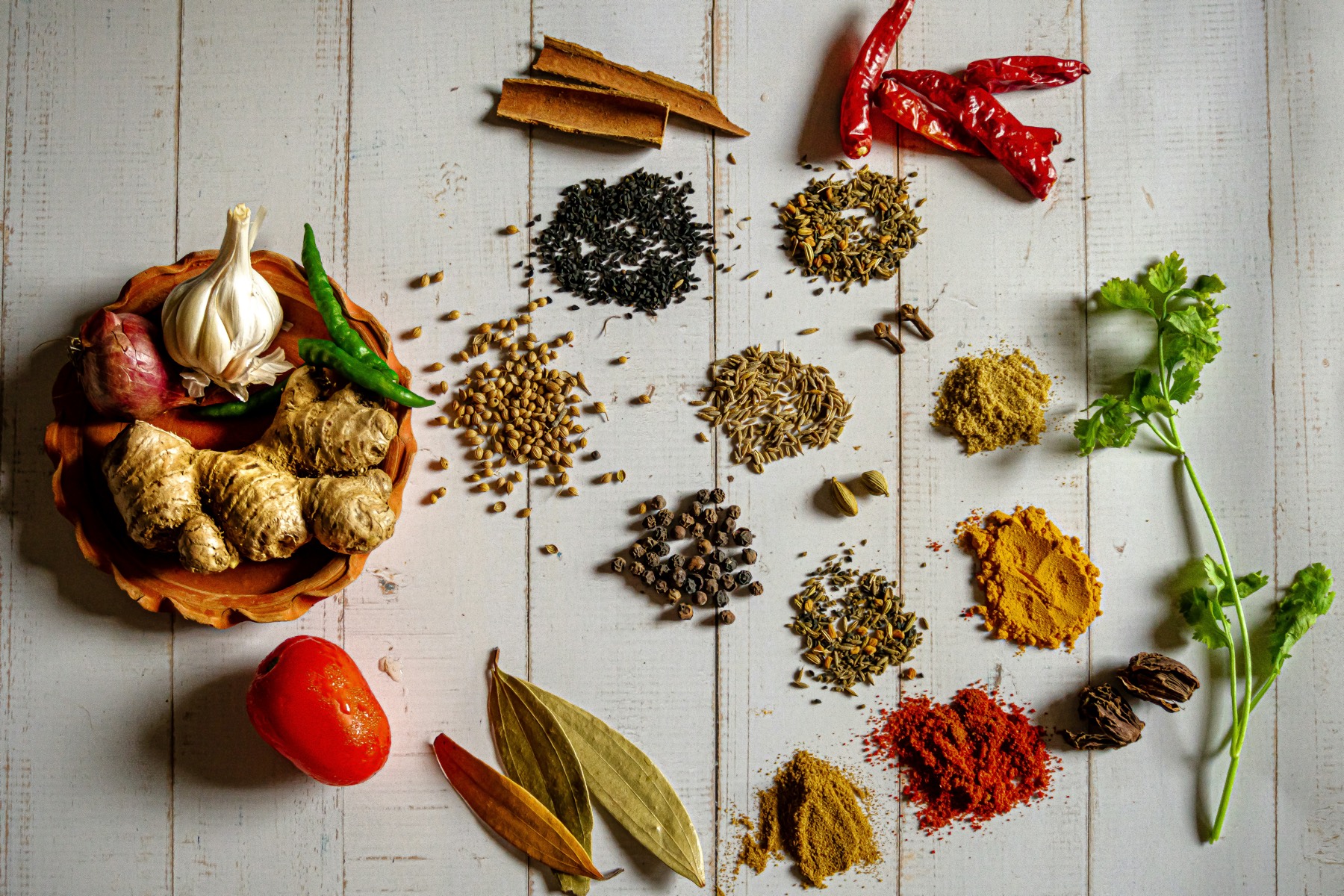
There's no single fixed recipe — garam masala varies by region and household — but most blends draw from the same core group:

  • Cumin
  • Coriander seed
  • Cardamom
  • Cinnamon
  • Cloves
  • Black pepper
  • Nutmeg

Some blends add bay leaf, mace, or fennel. Store-bought blends vary brand to brand, which is part of why two "garam masala" jars can taste noticeably different.

Why it's added late, not early

Unlike spices that get toasted in oil at the start of a dish (like cumin seeds in a tempering step), garam masala is usually stirred in near the end of cooking. Its flavor compounds are more delicate — cooking it for a long time can flatten it out. A pinch stirred in during the last few minutes tends to smell noticeably more vibrant than the same amount cooked in from the start.

How much to use

Most recipes call for somewhere between half a teaspoon and a full tablespoon for a dish serving four, depending on how central the spice blend is meant to be. It's easy to add more; it's not easy to fix an over-spiced pot, so starting light and tasting as you go is the safer default.

Recipes that use this

Indian Butter Chicken (Murgh Makhani)Tender marinated chicken simmered in a rich, buttery tomato cream sauce infused with Indian spices.Mughlai Chicken BiryaniMughlai Biryani is a rich, aromatic, and mouth-watering dish from the Mughal Emperors' kitchen, featuring perfectly spiced chicken, basmati rice, and whole spices.Butter ChickenMurgh Makhani — tender chicken in a deeply reduced terracotta-orange tomato and cream gravy, finished with a swirl of fresh cream and bright cilantro. The most beloved Indian curry on the planet.

Try it yourself

Get Rasora and import your first recipe.

Free to start — AI import, a real cookbook, and nutrition you can trust.

App StoreGoogle Play

Or see what's trending on Rasora right now →

More Ingredient Guide articles

Ghee vs. Butter: What's the Difference?Ghee and butter start from the same place but behave very differently in the pan — here's what actually separates them and when to use each.Ginger-Garlic Paste: What It Is and How to Make Your OwnA staple in a huge share of Indian recipes — what ginger-garlic paste actually is, why recipes call for it instead of the fresh ingredients separately, and how to make it yourself.Turmeric: Uses, Benefits, and How Much to UseTurmeric is one of the most-used spices in Indian cooking and one of the most talked-about for health — here's what it actually does in a dish and what's realistic to expect from it.