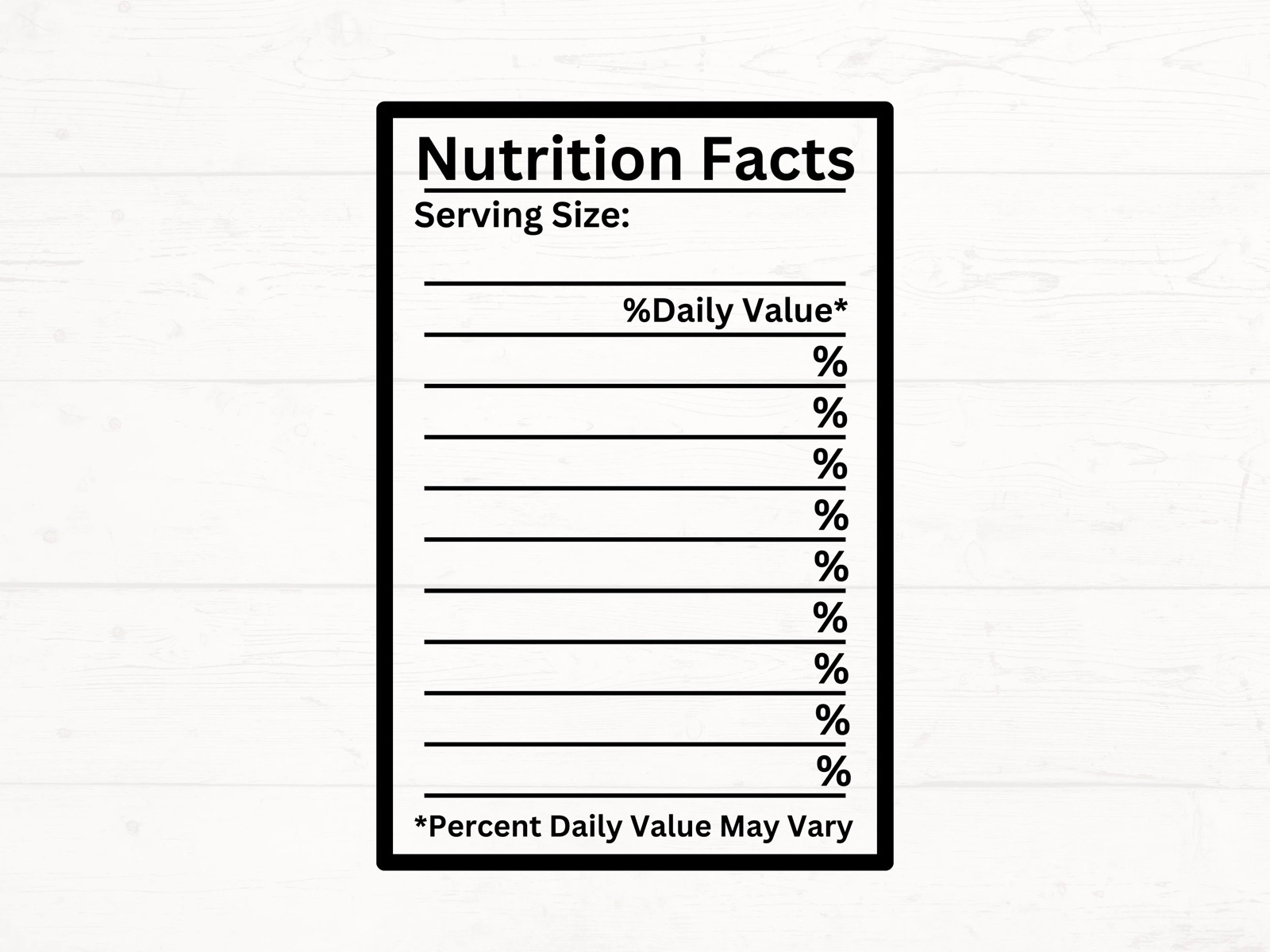
A nutrition label on a packaged product and a nutrition estimate on a home-cooked recipe look similar — both show calories, protein, carbs, fat — but they're built very differently, and knowing the difference matters for how much to trust either number.
How a packaged nutrition label is built
Regulated nutrition labels on packaged food are based on lab analysis (or standardized reference values) of that specific manufactured product, tested as a finished item. It's precise for that exact product, as sold, in that exact formulation.
How a recipe's nutrition estimate is built
A home recipe doesn't get lab-tested — its nutrition is calculated by adding up each individual ingredient's known nutritional values (from reference food databases), scaled to the quantity actually used, then divided across servings. This is why the specific ingredients and quantities in a recipe matter enormously: "chicken thigh" and "chicken breast" have meaningfully different fat content, and "1 tbsp olive oil" versus "2 tbsp" changes the fat and calorie count directly.
Where this can go wrong
The weak point in ingredient-level nutrition isn't the math — it's what happens when a quantity is missing, vague ("a pinch," "to taste"), or a specific ingredient can't be matched to a real database entry. Some tools fill those gaps by guessing a typical amount. Rasora's own approach is deliberately the opposite: if a real quantity isn't present, it's not counted toward the total rather than estimated — a smaller but honest number, instead of a bigger but partly invented one.
Why this makes recipe nutrition inherently an estimate, not a lab result
Even done carefully, ingredient-level nutrition is still an estimate — ingredient database values are themselves averages (a "medium onion" isn't identical every time), and cooking method can change final nutrition slightly (some fat rendering out, water evaporating and concentrating remaining nutrients per gram). None of this means the numbers aren't useful — it means treating a recipe's nutrition breakdown as a well-reasoned estimate, built from real ingredients and real quantities, rather than a lab-certified figure the way a packaged product's label is.