Searing — cooking meat at high heat until the surface browns deeply — is one of the most common techniques in cooking, and also one of the most misunderstood. See our related food-myth piece on what searing doesn't do; this guide covers what it actually does and how to get it right.
What searing actually does
Searing browns the surface of meat through the Maillard reaction — a chemical reaction between amino acids and sugars that happens at high temperature and creates hundreds of new flavor compounds, plus the characteristic brown crust. That crust is where a meaningful share of a seared dish's flavor comes from, which is why so many recipes call for it even when the meat will go on to braise or simmer for a long time afterward.
How to do it well
- Pat the meat dry with paper towels first — surface moisture has to evaporate before browning can start, which wastes time and lowers the pan's effective temperature.
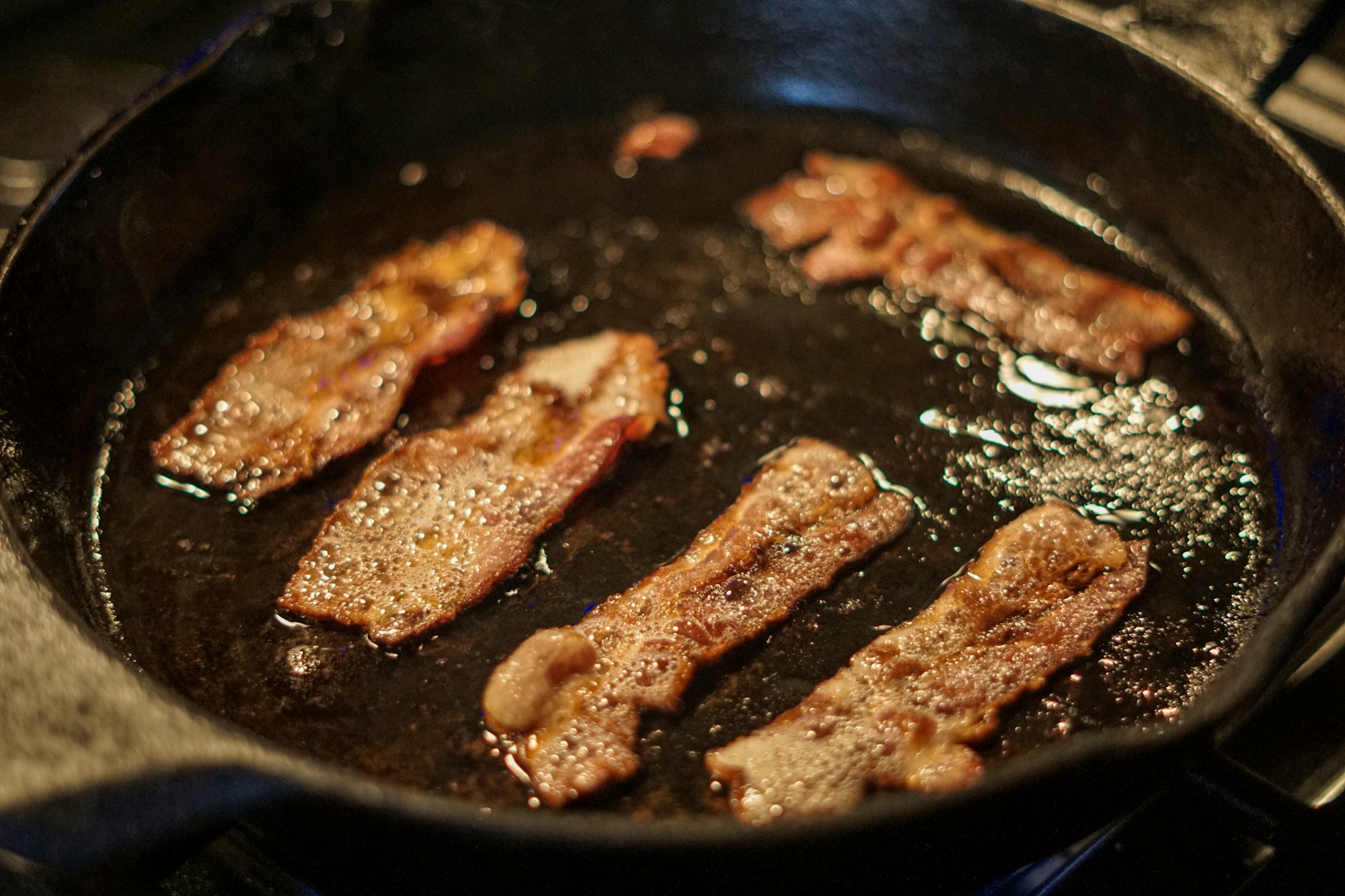
- Use a pan that can hold high heat well (cast iron or stainless steel; nonstick pans generally don't get hot enough for a proper sear).
- Use a fat with a high smoke point — neutral oil, or ghee if you want the flavor (see our ghee vs. butter guide) — since butter alone can burn before the meat is done searing.
- Don't crowd the pan. Too much meat at once drops the pan's temperature and causes steaming instead of browning.
- Leave it alone. Resist flipping or moving the meat until it releases easily from the pan — pulling it too early tears the crust that's still forming.
Why a good sear takes real heat
If the pan isn't hot enough, the meat's surface will cook through slowly without ever reaching the temperature where browning kicks in — you'll end up with gray, cooked-but-not-browned meat instead of a real crust. Preheating the pan properly, and not adding meat until it's genuinely hot, matters more than most other steps in the process.
After searing
In many recipes, seared meat goes on to simmer, braise, or roast further — the sear isn't the whole cooking process, just the flavor-building first step. Whatever browned bits are left stuck to the pan afterward (called fond) are worth deglazing with liquid and working into a sauce rather than washing away, since that's concentrated flavor from the sear itself.