Two recipes can use nearly identical core ingredients — the same cut of chicken, the same vegetables — and land at meaningfully different calorie counts once you factor in how they were cooked. The cooking method itself doesn't add or remove calories from the food's base ingredients; what changes the number is almost always the fat introduced (or lost) along the way.
Frying
Deep-frying and pan-frying in a meaningful amount of oil are the biggest calorie-adders among common cooking methods, because food actually absorbs some of the cooking fat — a plain chicken breast might absorb relatively little, but a breaded, deep-fried piece can take on a substantial amount of oil through its coating. This is a real, measurable effect, not a myth — it's the main reason fried versions of a dish consistently run higher in calories than baked or grilled versions of the same core ingredients.
Baking and roasting
Generally add less fat than frying, since the food usually cooks on a tray with only a light coating of oil, if any. Some fat can also render out and drip away during baking (relevant for fattier cuts of meat), which can lower the final calorie count compared to a method that keeps that fat in the dish.
Grilling
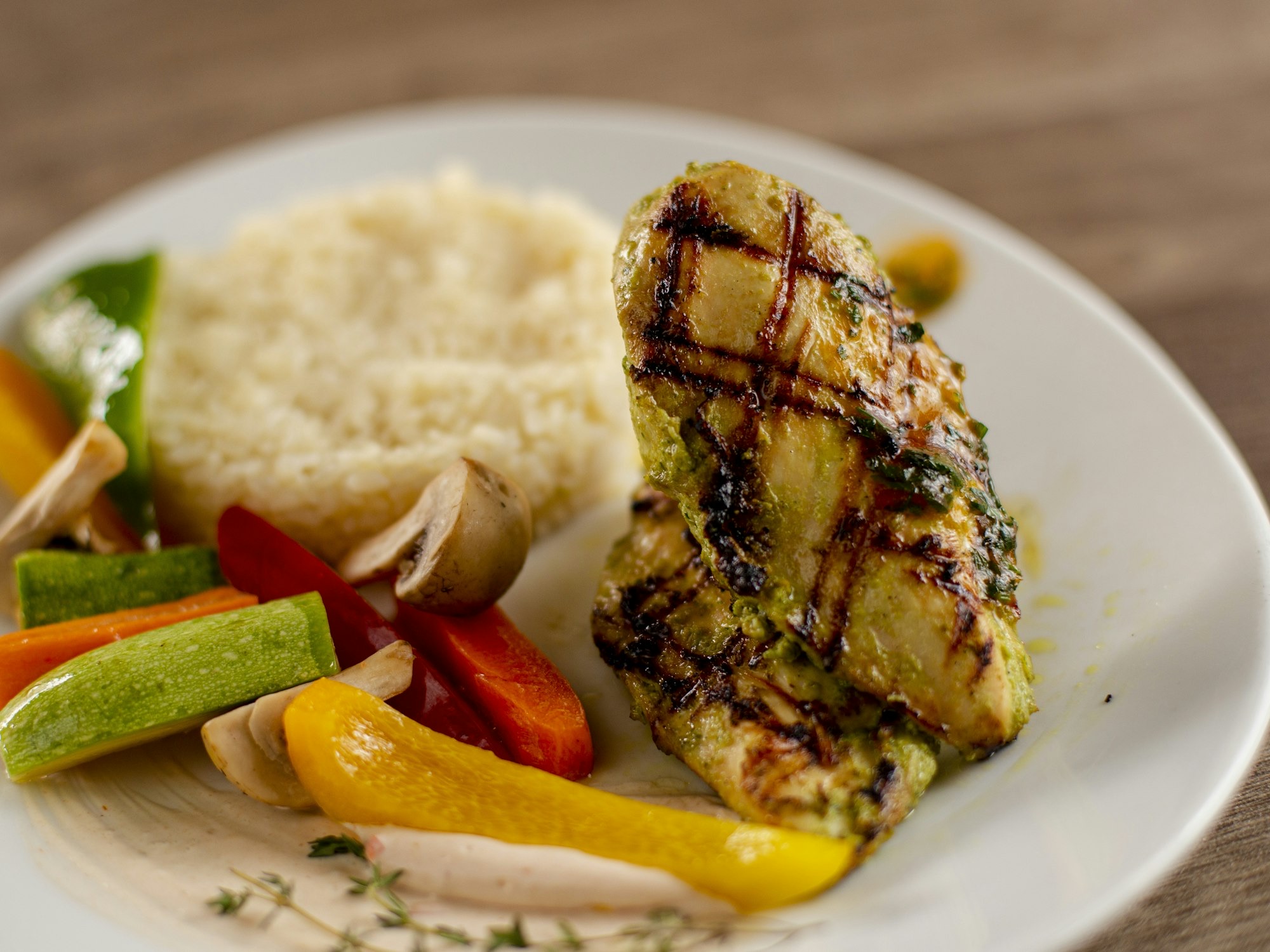
Similar to baking in that it typically uses little to no added fat, and grilling fattier meats often lets rendered fat drip away entirely, which is why grilled versions of fatty cuts sometimes come out lower in calories than the same cut cooked another way.
Boiling and steaming
Add essentially no calories from the cooking method itself, since there's no oil involved. The trade-off is that some water-soluble vitamins can leach into the cooking water, especially with vegetables — a nutrient consideration, not a calorie one.
The honest bottom line
Cooking method isn't a mysterious calorie multiplier — it's almost entirely about how much fat gets added or removed in the process. The same chicken breast, grilled with no oil versus deep-fried in a heavy batter, can differ by hundreds of calories, and that difference is fully explained by the oil, not some inherent property of "frying" as a category.