Turmeric is the bright yellow-orange spice behind the color of countless curries, and it's also one of the most researched spices for potential health effects. Both of those things are true at once, but they're worth separating — how much turmeric does in a dish versus how much it does for health are different questions with different levels of certainty behind them.
What it adds to a dish
Turmeric has an earthy, slightly bitter, faintly peppery flavor on its own — used heavily, it can taste harsh, which is why it's almost always used in small amounts alongside other spices rather than as a lead flavor. Its real job in most recipes is as much about color as taste: even a small pinch turns a sauce or broth a distinct golden-yellow.
Fresh vs. ground
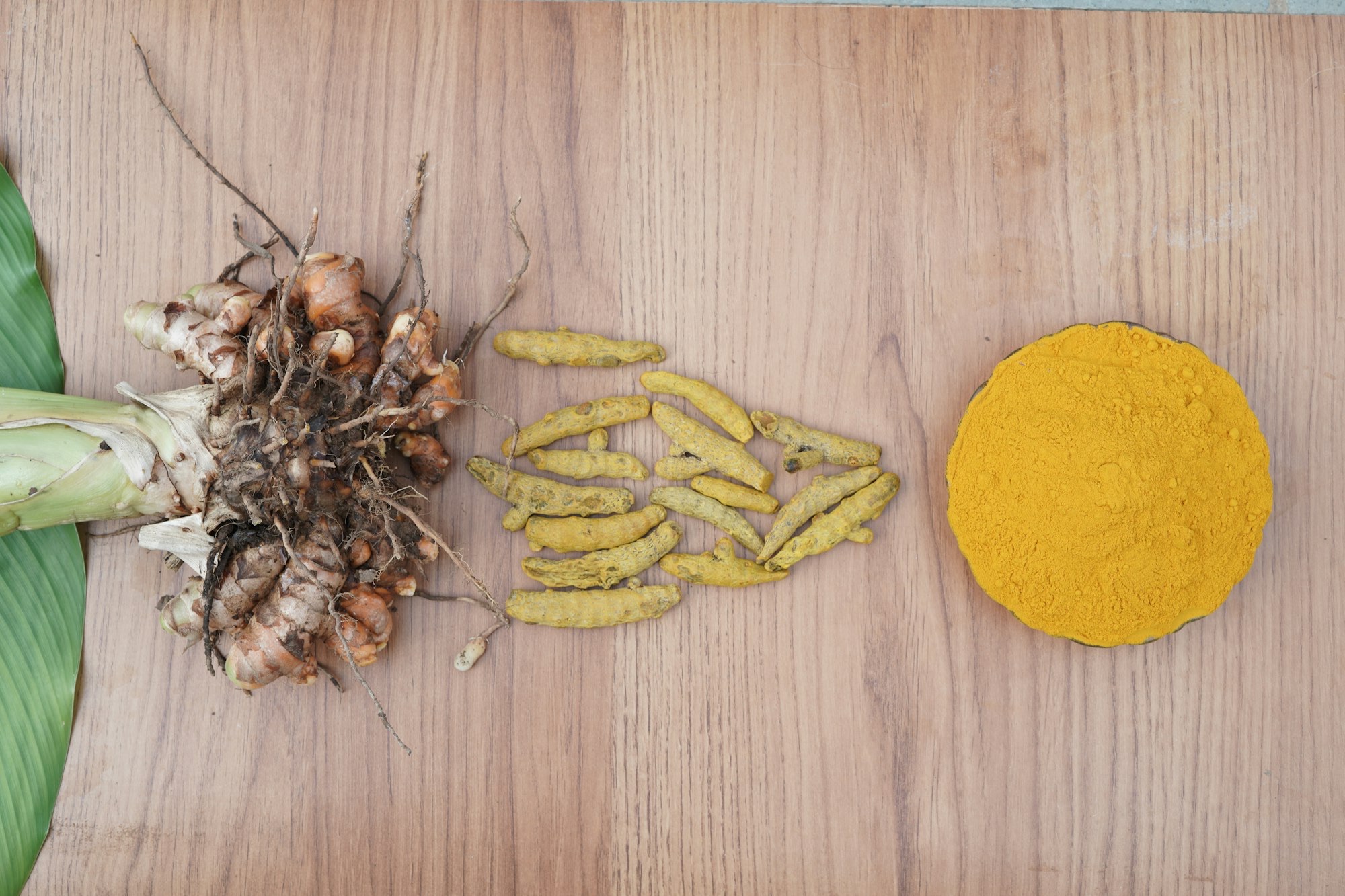
Ground, dried turmeric is what most recipes call for and what's found in nearly every spice aisle. Fresh turmeric root — which looks similar to fresh ginger — has a brighter, more citrusy flavor and is used more like an aromatic than a background spice, but it's harder to find outside of Indian or specialty grocers.
The health-claims question
Turmeric's color comes largely from curcumin, a compound that's been studied for anti-inflammatory and antioxidant properties. It's worth being precise here: most of that research is on concentrated curcumin extracts, often combined with black pepper to improve absorption, not on the amount of turmeric powder used in a typical dish. Curcumin makes up only a small percentage of turmeric powder by weight, and the body absorbs it poorly on its own. Cooking with turmeric is a reasonable, low-risk habit, but the amount used in food shouldn't be expected to have the same effect as a concentrated supplement studied in a clinical trial — that's a meaningfully different dose. This section is general food information, not medical advice — talk to a doctor before using turmeric or curcumin supplements for a specific health condition.
How much to use
Because its flavor turns bitter and harsh at high amounts, turmeric is typically used in small quantities — around a quarter to one teaspoon per dish serving four is common. It's usually added early in cooking, often bloomed briefly in hot oil along with other spices, which helps mellow its rawness and deepen its color.