"Sear it first to seal in the juices" is one of the most repeated pieces of cooking advice — and it's not quite true, at least not for the reason most people think.
What actually happens
If searing truly sealed meat like a waterproof coating, seared meat would lose less moisture during cooking than unseared meat. Tests that weigh meat before and after cooking don't back that up — seared and unseared cuts, cooked to the same final temperature, tend to lose a similar amount of moisture. The sear doesn't stop moisture from escaping.
So why does searing matter?
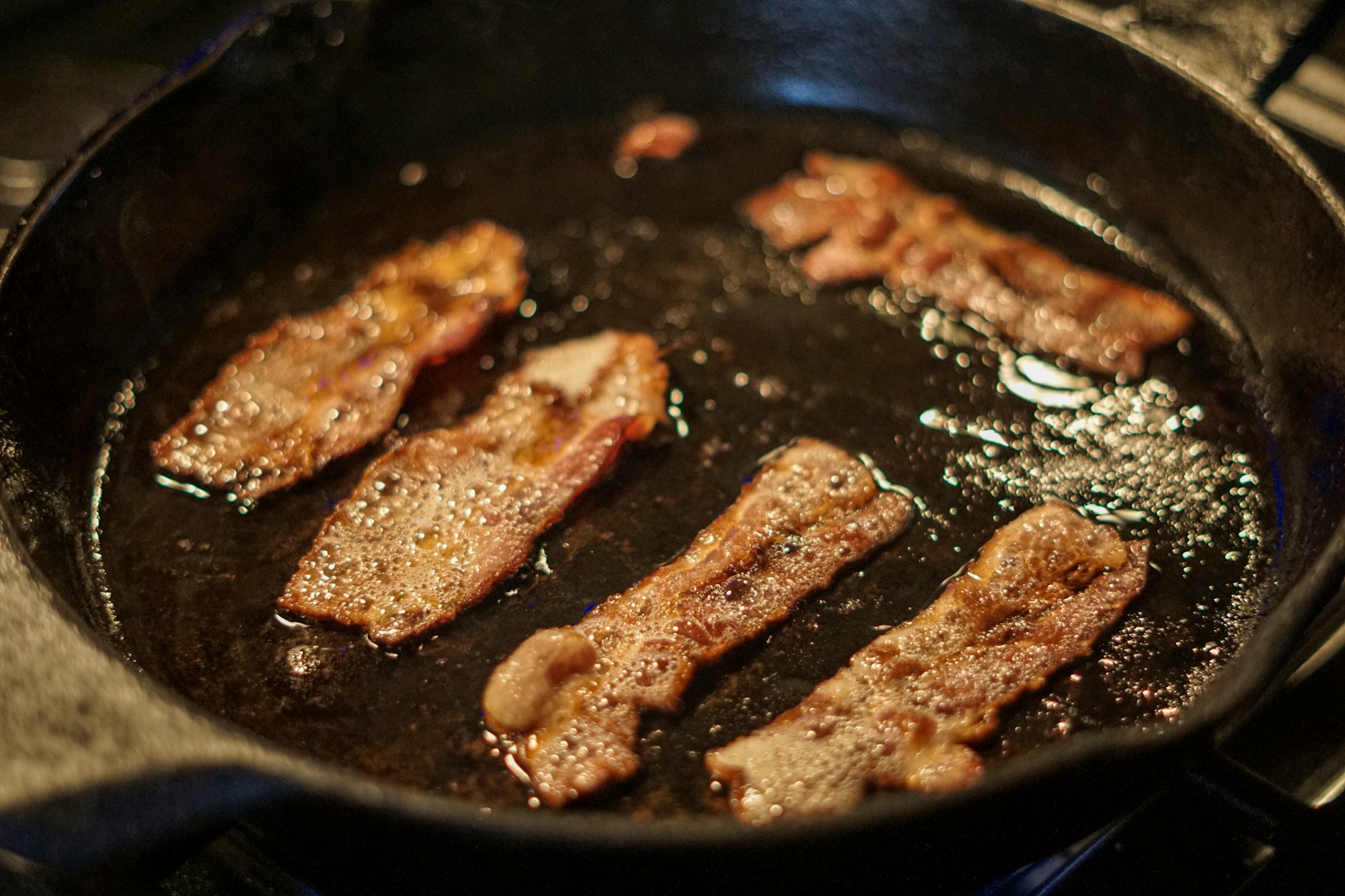
Because of flavor, not moisture. A hot pan triggers the Maillard reaction — a chemical reaction between amino acids and sugars in the meat's surface that only kicks in at high heat (roughly 300°F/150°C and up). It's what produces the deep brown crust, and the hundreds of new flavor compounds that come with it. Boiled or steamed meat, which never gets hot enough for this reaction, simply doesn't develop that same crust or flavor.
The takeaway
Sear meat for the crust and the flavor it builds — that part is real and worth doing. Just don't expect it to lock moisture inside; the biggest factor in how juicy meat ends up is how far past its ideal internal temperature it gets cooked, not whether it was seared first.