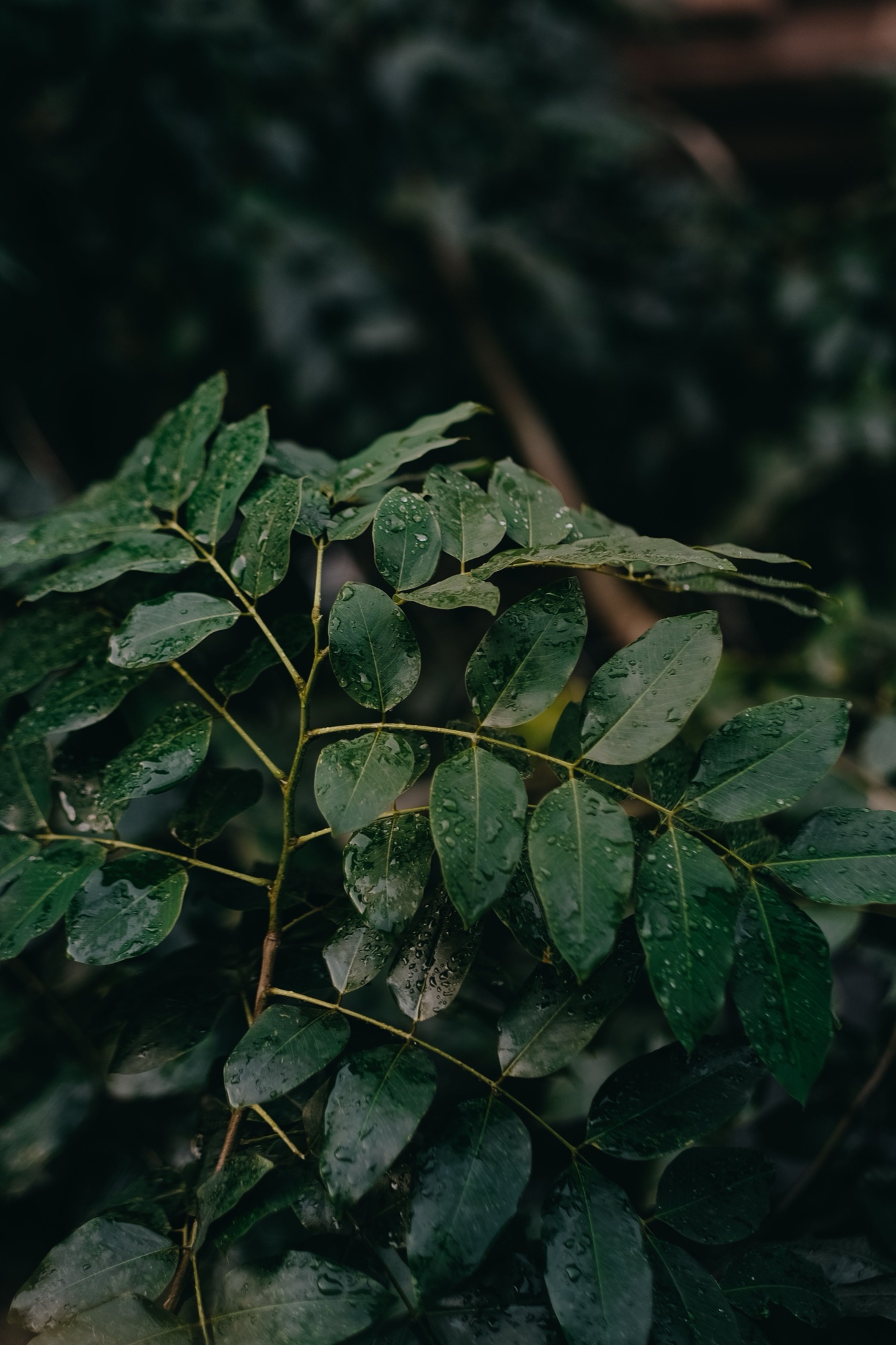
Curry leaves are one of the most confusing ingredient names in cooking, mostly because the name is misleading. They have nothing to do with curry powder — they're the leaf of a specific tree (Murraya koenigii), native to South Asia, with a sharp, citrusy, slightly nutty aroma that's distinct from any spice blend.
What they taste like
Fresh curry leaves smell almost like a cross between citrus peel and toasted nuts. On their own they're not something you'd eat as a garnish — the flavor is released by frying them briefly in hot oil or ghee, which is how they're used in almost every dish that calls for them.
How they're actually used
Curry leaves are typically added at the very start of cooking, thrown into hot oil along with mustard seeds and other whole spices in a tempering step (tadka), where they crackle and release their aroma in seconds. That fragrant oil then becomes the base the rest of the dish is built on — this is different from an herb like basil, which is usually added at the end.
Fresh vs. dried
Fresh curry leaves are significantly more aromatic than dried ones — drying strips out most of the volatile oils that give them their smell. If a recipe calls for curry leaves and you can only find the dried version at a regular grocery store, expect a noticeably milder result; it's worth using more than the recipe calls for to compensate.
Where to buy them
Curry leaves are usually not stocked at general grocery stores. The most reliable places are Indian or South Asian grocery stores, where they're often sold fresh in bunches, refrigerated. Some specialty grocers and larger Asian markets carry them too. They freeze well — if you find fresh ones, buying extra and freezing them in a bag is a reasonable way to always have some on hand.
If you can't find them
There's no substitute that fully replicates curry leaves' specific aroma — bay leaf is sometimes suggested but tastes quite different. The more honest approach is to skip them rather than substitute, and lean a little more on the other aromatics in the dish (garlic, ginger, mustard seeds) to make up the difference.