Ghee is made from butter, so it's easy to assume they're interchangeable. In practice, the one extra step that turns butter into ghee changes how it cooks, how long it keeps, and where it belongs on your stove.
What ghee actually is
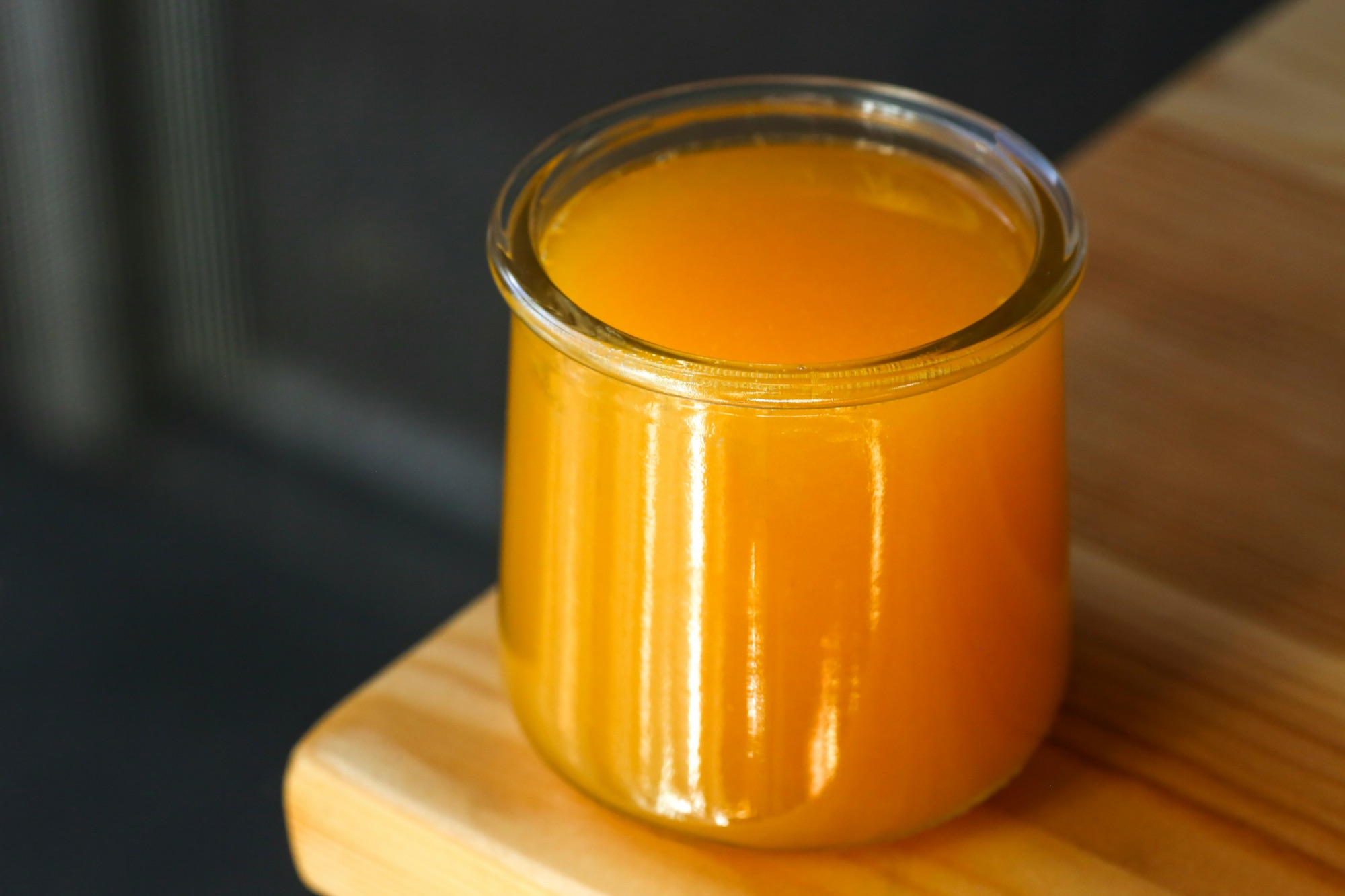
Ghee is clarified butter that's been simmered until the water cooks off and the milk solids separate and toast slightly at the bottom of the pot. Those toasted solids are then strained out, leaving behind pure butterfat with a faintly nutty, caramelized aroma. That extra cooking step is the entire difference — ghee isn't a different ingredient so much as butter with the water and milk solids removed.
Why that changes how it cooks
Butter's milk solids burn at a relatively low temperature — around 300°F (150°C) — which is why butter scorches quickly in a hot pan. Ghee has a much higher smoke point, generally cited around 450°F (232°C), because those solids that burn first are already gone. That makes ghee better suited to high-heat searing and deep-frying, where butter would blacken before the food finishes cooking.
Flavor and texture differences
- Butter: creamy, slightly tangy from residual milk solids, solidifies fully when chilled.
- Ghee: richer, nuttier, more concentrated butter flavor since the water content is gone; stays semi-soft even refrigerated, since it's pure fat.
Which one to use
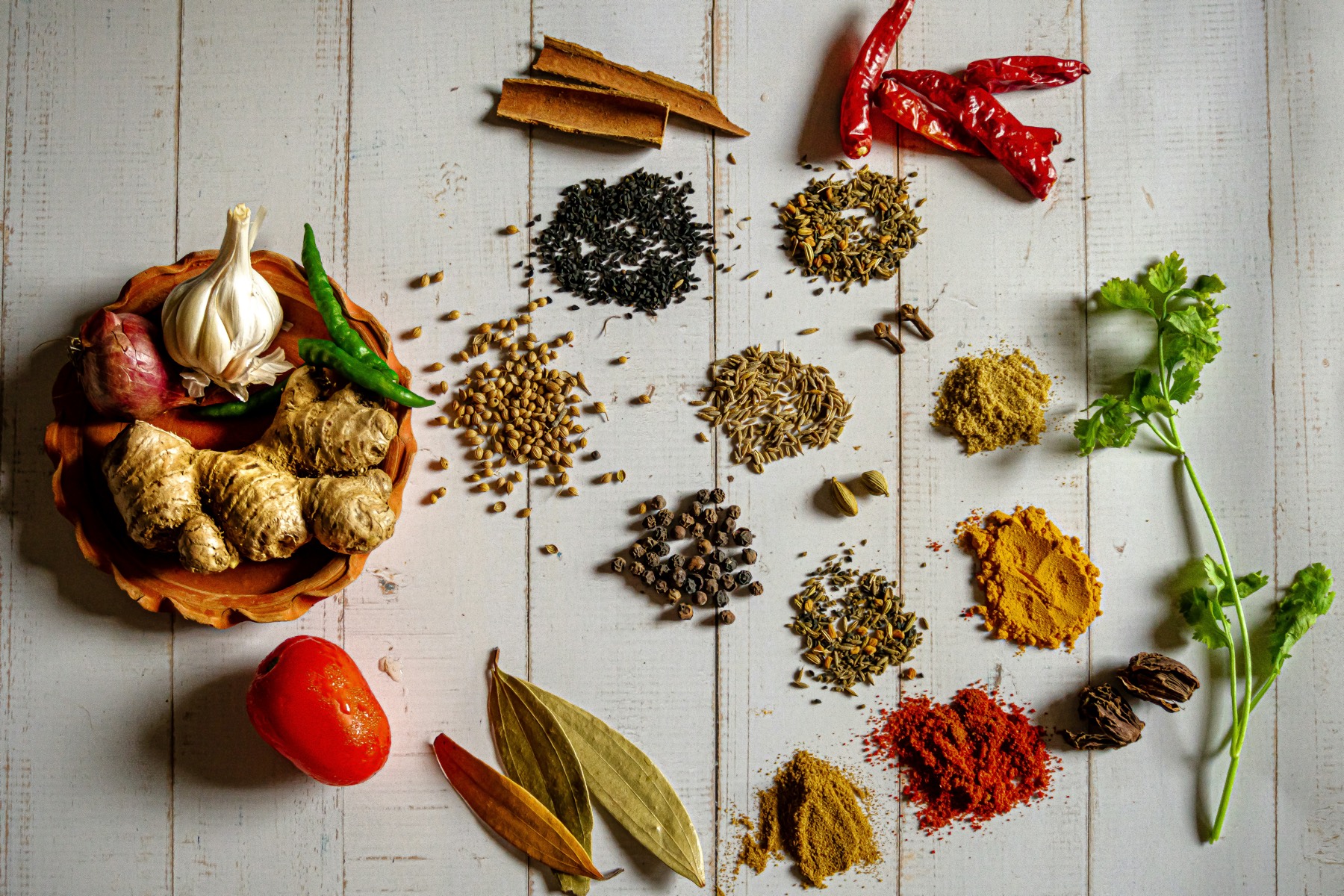
Ghee is the standard fat in a lot of Indian cooking — tempering whole spices (tadka), finishing a dal, or basting a biryani — precisely because it can take high heat without burning and its flavor holds up under long, slow cooking. Butter is generally better where you want its water content and milk solids for texture, like in baking, or where a shorter cook time means burning isn't a risk.
Storing them
Because the water and milk solids are removed, ghee is shelf-stable at room temperature for months. Butter needs refrigeration and spoils much faster once opened.