A roux is a simple mixture of fat and flour, cooked together, used to thicken sauces and soups. It shows up under the surface of a lot of dishes that don't obviously look "roux-based" — a béchamel-topped moussaka and a French onion soup both start with one.
What it actually is
Equal parts (by weight) fat — usually butter — and flour, cooked together in a pan before any liquid is added. The flour's starch is what does the thickening once liquid is stirred in; cooking it first in fat coats the starch granules and cooks out flour's raw taste before that happens.
How to make one
- Melt butter in a pan over medium heat.
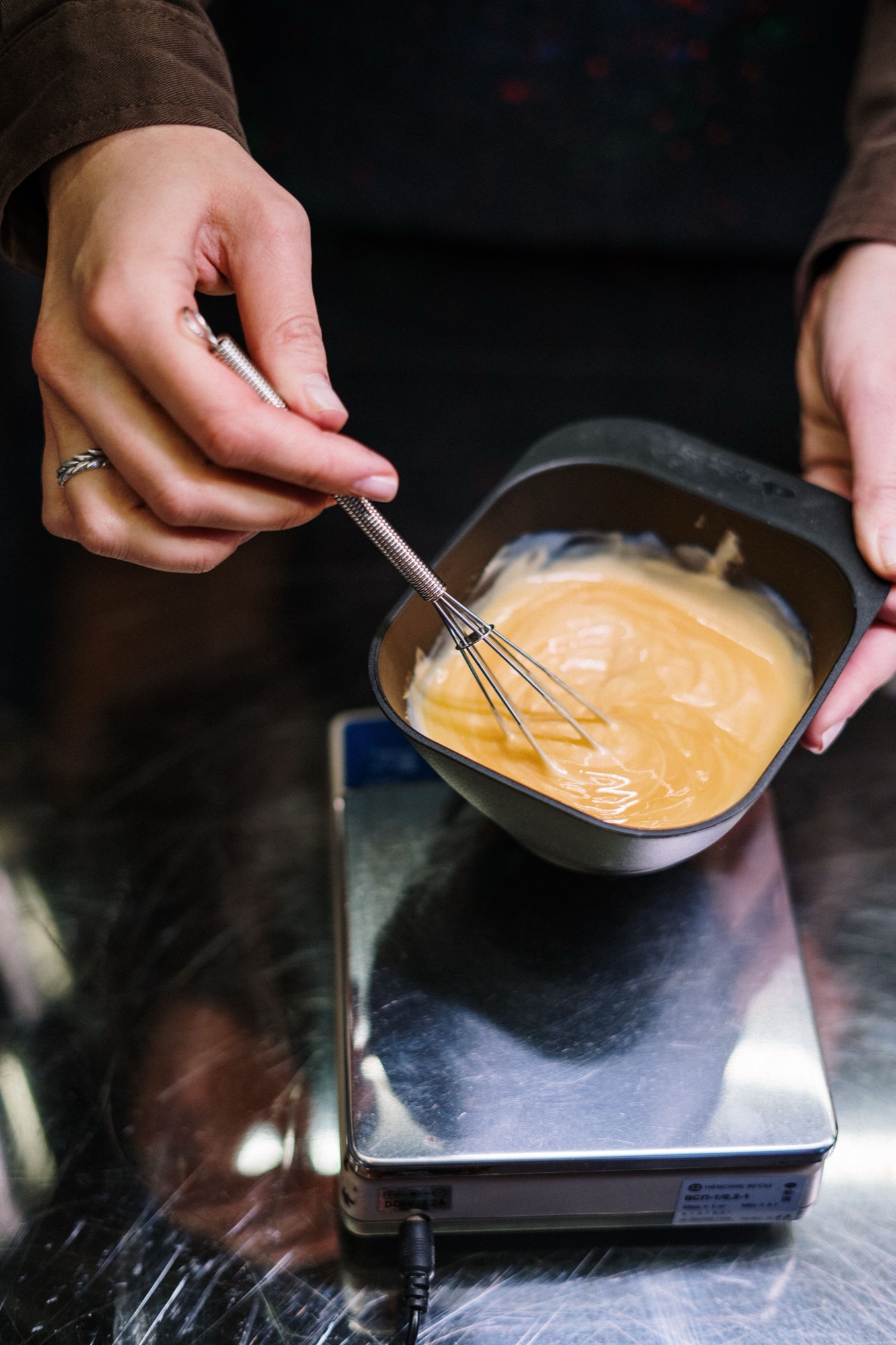
- Whisk in an equal weight of flour (roughly equal volume works fine for most home cooking).
- Cook, whisking constantly, for 1-2 minutes for a light "white" roux (used in béchamel), or longer — several minutes to over an hour, depending on the recipe — for a deeper "brown" roux with a nuttier flavor and slightly less thickening power.
- Once cooked, slowly whisk in liquid (milk, stock, or broth) a little at a time, letting it fully incorporate before adding more — adding all the liquid at once tends to cause lumps.
- Continue cooking and whisking until the sauce thickens to the desired consistency.
Light vs. dark roux
A light, barely-cooked roux is what's used for béchamel (a white sauce, as in moussaka's topping) — it has strong thickening power and a neutral flavor. A dark roux, cooked much longer until it turns deep brown, has noticeably less thickening power (some of the starch's structure breaks down with longer cooking) but adds a distinct toasted, nutty flavor — the kind used as the base of a Cajun gumbo, for instance.
The most common mistake
Adding liquid too quickly, or all at once, is the most common way a roux-based sauce turns lumpy — the starch needs time to hydrate and disperse evenly. Whisking constantly and adding liquid gradually, especially in the first minute after it's added, is what actually prevents lumps, not the type of whisk or pan used.