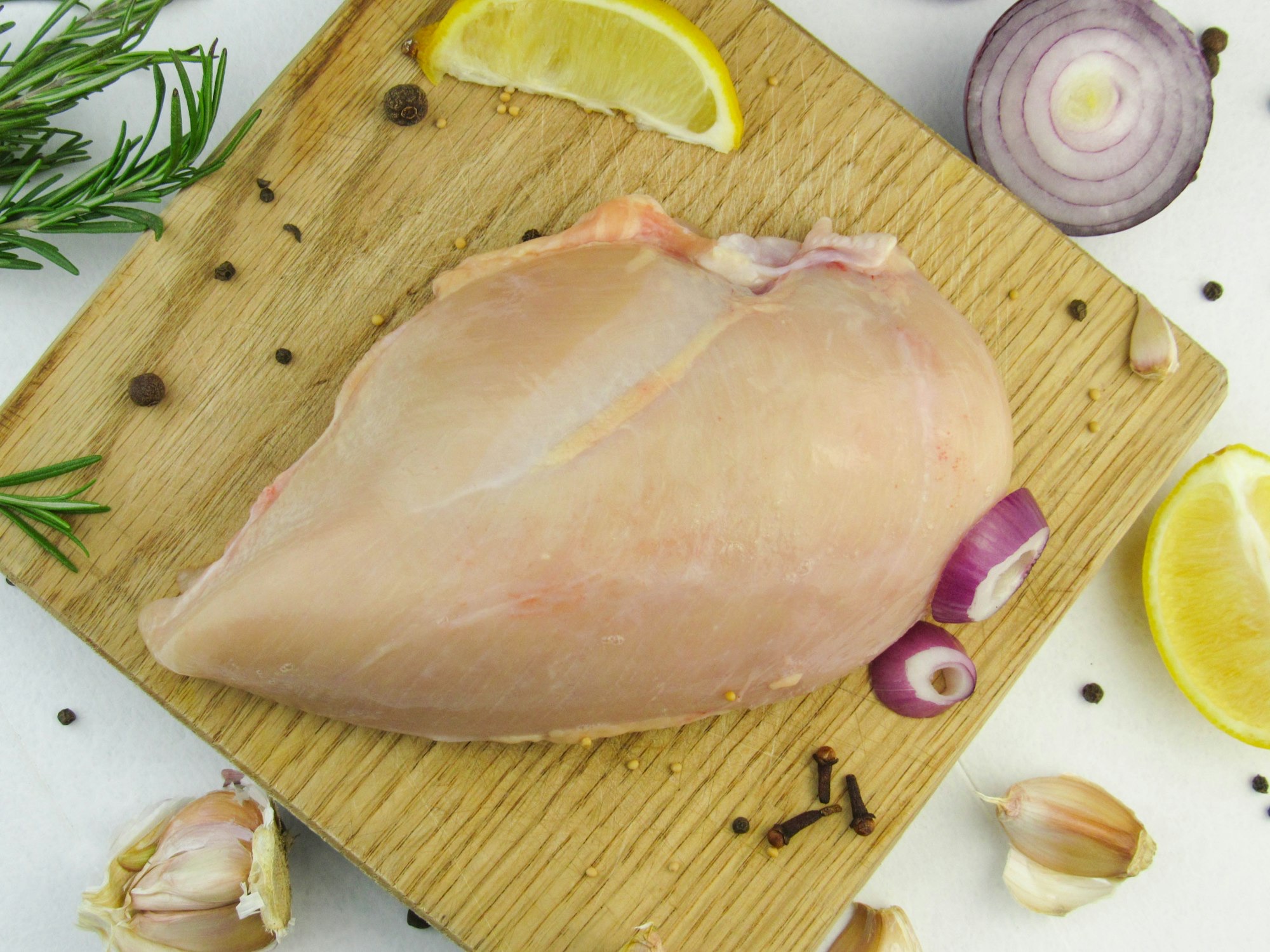
Marinating chicken is one of the most common prep steps in cooking, and also one of the most inconsistently timed — recipes range from 15 minutes to overnight for what looks like a similar marinade. The right answer depends on what's actually in the marinade, not just personal preference.
What a marinade actually does
A marinade does two separate things, at different speeds: it adds surface flavor (fast — this starts working within minutes), and, if it's acidic or contains enzymes, it changes the texture of the meat itself (slower, and only effective to a point). Salt in a marinade also draws moisture out of the chicken initially, then, given enough time, that moisture (now carrying dissolved salt) gets reabsorbed — a version of brining happening alongside marinating.
Why longer isn't always better
Acidic marinades — those built on citrus juice, vinegar, or yogurt — break down proteins on the meat's surface. In moderation over a reasonable window, this tenderizes. Left too long, the same process can go too far, breaking down the surface into a mushy, almost cooked-looking texture rather than a tender one. This is a real risk, not a myth — a chicken breast left in a strongly acidic marinade for 24+ hours can come out noticeably worse than one marinated for 2 hours.
Realistic timing by marinade type
- Yogurt-based marinades (as in tikka-style dishes): yogurt is gentler than citrus or vinegar because its acidity is milder, so these can safely go longer — a few hours up to overnight is common and standard.
- Citrus or vinegar-based marinades: 30 minutes to 2 hours is usually enough for meaningful flavor and tenderizing; well beyond that risks the mushy-texture problem described above.
- Oil-and-herb marinades with little or no acid: mostly flavor, minimal texture risk, so timing is more flexible — 30 minutes gets real flavor, and there's less downside to going longer.
The honest floor and ceiling
Under 15 minutes, a marinade mostly just sits on the surface without meaningfully penetrating — some flavor benefit, but limited. Past the upper end of whatever a specific marinade's acid level can handle, more time actively works against you rather than continuing to improve the result. "As long as possible" is not a safe default.